Year in Review: Top Rubbish Removal Trends for 2025
Posted on 16/12/2025

Let's be honest: rubbish removal used to be an afterthought. A skip out front, a quick clear-out, job done. But 2025 changed the tempo. Between new UK regulations, a spike in battery fires, smarter reuse networks, and fleets going electric, the industry quietly had a big, grown-up year. This Year in Review: Top Rubbish Removal Trends for 2025 pulls together everything that actually mattered--what worked, what surprised us, and what you can use to make better decisions now. Clean, clear, calm. That's the goal.
I've spent years walking through cluttered garages that smell faintly of cardboard dust, visiting materials recovery facilities that hum like quiet factories, and talking to customers who just want an honest price and zero hassle. Truth be told, 2025 made rubbish removal more digital, more compliant, and more human. This guide breaks it all down with practical steps, UK-focused compliance insights, and real examples. You'll leave with a plan you can act on today.
Why This Topic Matters
Rubbish removal in the UK is no longer just about shifting stuff; it's about data, duty of care, and doing right by the planet. In this Year in Review: Top Rubbish Removal Trends for 2025, we saw three big shifts:
- Compliance got tougher and clearer. The UK's waste duty of care and the Waste (England and Wales) Regulations 2011 have always mattered, but 2025 sharpened enforcement--especially around POPs (persistent organic pollutants) in upholstered furniture and proper treatment of WEEE (electricals). Councils continued cracking down on fly-tipping with higher fines and roadside checks.
- Technology matured. Digital Waste Transfer Notes (WTNs) gained traction, app-based on-demand collections became normal, and facilities expanded AI-enabled sorting. Government-backed digital waste tracking moved closer to becoming a nationwide standard, with pilots paving the way for full rollout from 2025.
- Reuse isn't niche anymore. From furniture banks to neighbourhood sharing apps, practical reuse routes became part of the rubbish removal playbook--not just a "nice-to-have." Customers expect it, staff prefer it, and, frankly, it feels right.
You could almost feel the shift on a rainy Tuesday in March, standing beside a van in East London as the driver scanned a QR code to generate a digital WTN. No fuss, no paper, job fully traceable. That quiet little moment says a lot about where the industry is headed.
So, why does it matter? Because the way you handle waste in 2025 affects cost, risk, sustainability, and reputation. Whether you're clearing a flat, managing office churn, or running a chain of shops, these trends help you avoid pitfalls and unlock meaningful savings.
Key Benefits
Leaning into the top rubbish removal trends of 2025 delivers benefits you can feel--and measure.
- Lower costs. Reuse streams, better segregation, and accurate sizing (right skip, right van, right time) reduce disposal fees and time on site. With landfill tax north of ?100 per tonne, every kilo diverted counts.
- Fewer fires and incidents. Proper battery and e-waste handling cuts the risk of vehicle and facility fires. Industry bodies report hundreds of waste-site fires every year; you don't want to contribute.
- Proven compliance. Digital WTNs, carrier checks, and clear duty-of-care documentation reduce legal risk and council penalties. Peace of mind, baked in.
- Carbon visibility. Data-rich providers now supply CO2-e metrics per collection, helping hit ESG targets and larger business disclosures.
- Faster, cleaner clearances. On-demand apps and smarter scheduling get stuff gone same day, often with real-time ETA and before/after photos. No more waiting around with a hallway full of old carpet.
- Better brand and community impact. Reuse donations and transparent recycling outcomes build trust with customers, staff, and neighbours.
In our experience, once a site team sees a neat, labelled segregation setup, they don't go back. It's calmer. Safer. And tidy work just feels good.
Step-by-Step Guidance
Here's a practical playbook to apply the Year in Review: Top Rubbish Removal Trends for 2025 to your home, office, or site.
1) Audit what you've actually got
- Walk the space with your phone and take quick photos. Note furniture, WEEE (anything with a plug or battery), soft furnishings, rubble, timber, metals, and anything hazardous (paint, chemicals, asbestos suspicion).
- Estimate volumes in cubic yards or van loads. A standard builder's skip is ~6-8 yards. A typical transit van holds ~10-12 yards (but weight limits apply).
- Spot battery-containing items: e-bikes, scooters, vapes, power tools, laptop batteries. Separate them. Always.
Ever tried clearing a room and found yourself keeping everything "just in case"? Happens to the best of us. A quick photo log makes decisions easier.
2) Decide the right removal route
- Man & van rubbish removal for mixed, bulky items and flexible, quick service.
- Skip hire for steady projects with enough space on-site and predictable waste streams.
- Container or bag schemes (1-yard to 4.5-yard bags) for tight urban spaces or light waste.
- Direct reuse/donation for good-quality furniture and appliances with safety tags.
Tip: Don't assume a skip is cheaper. For light, mixed waste, a well-run van team can be faster and cost-effective--especially with labour included.
3) Segregate for safety and savings
- WEEE & batteries: box separately. Tape terminals on loose lithium cells.
- POPs seating (sofas, armchairs): store dry, separate, and label. These require special treatment--no landfill.
- Metals & clean wood: segregate to increase recycling yield.
- Confidential waste: keep sealed; plan secure destruction if needed.
It was raining hard outside that day, and the smell of wet fabric told us the sofa had to be POPs-handled ASAP. Small details save big headaches.
4) Choose a compliant carrier
- Check the waste carrier licence on the Environment Agency register.
- Ask for their site permits or partner facilities and typical recycling rates.
- Confirm they can handle WEEE, batteries, and POPs compliantly.
- Request insurance and RAMS for commercial sites.
Yeah, we've all been there--someone's cousin with a van. Don't risk it; fines for fly-tipping come back to you if your waste is traced.
5) Book smartly and document
- Choose off-peak slots (early mornings) to reduce disruption.
- Use providers with digital WTNs and before/after photos.
- Capture weights, destinations, and recycling rates for your records.
6) Close the loop
- Review your data monthly or post-project. Where did materials go?
- Adjust your segregation plan--more reuse next time? Better e-waste handling?
- Share wins with your team. People like knowing the effort counted.
Ever noticed how a team perks up when you say, "We diverted 85% this quarter"? People care. Give them the good news.
Expert Tips
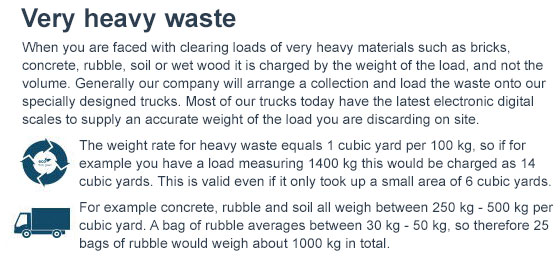
- Ask for weight-based pricing transparency. If you're paying by volume, confirm any overweight surcharges up front.
- Photograph POPs seating labels. If cushions or covers are damaged, assume POPs treatment is required. Keep them dry.
- Pre-pull batteries from anything with a plug. Saves time, reduces risk, and keeps you compliant.
- Right-size the container. Two smaller swaps beat one overflowing skip with contamination. Clean loads = cheaper rates downstream.
- Reuse first, then recycle. Furniture banks, Freecycle, and local charities move quality items fast. It's kinder on the planet and your budget.
- Ask for carbon data. Some carriers provide collection-level CO2e. Handy for ESG reports and bids.
- For office IT, insist on data destruction certificates. GDPR still applies when kit leaves your site.
- Construction sites: post simple signage at eye level. "Batteries here. WEEE here. Wood here." Clarity wins.
Small aside: a tidy loading bay changes the mood of a building. Folks move quicker, smile more, and the day just... flows.
Common Mistakes to Avoid
- Throwing batteries into general waste. It's the number one cause of waste vehicle fires. Keep them separate, always.
- Using unlicensed carriers. If they dump your waste, you can be fined. Check the licence online--it takes two minutes.
- Misclassifying POPs upholstered furniture. Sofas, armchairs, some office chairs--these often need special incineration routes.
- Overfilling skips. Boards above the rim? Expect extra charges or refusals. Not fun.
- Ignoring reuse. Quality items can leave your site faster and cheaper when donated or resold. Someone out there wants that desk.
- No documentation. Keep WTNs, hazardous consignment notes, and photos. Your future self will thank you.
- Poor access planning. Tight lanes, bus routes, school times--consider them. Your driver will love you for it.
One customer once hid a sack of plaster in a "light waste" load. The tail-lift groaned, the driver's eyebrow went sky-high. Be straight; it saves everyone time.
Case Study or Real-World Example
Scenario: A three-storey terraced house in South London undergoing a spring clear-out and partial refit. Mix of old furniture, kids' bikes, mattresses, a sofa, a couple of laptops, and garden waste. Rainy Saturday, narrow street, permit zone.
Approach:
- Audit: Photos showed two van loads, including one POPs sofa, two mattresses, and small WEEE (laptops, hairdryer, toaster). A box of old vapes appeared at the last minute--classic.
- Segregation: Batteries and WEEE boxed. POPs sofa kept dry in hallway. Mattresses leaned in a dry area.
- Booking: Early Monday slot to avoid weekend traffic and limit noise. Digital WTN and parking coordinates sent to the crew.
- Execution: Two-person crew, load from top floor down with dollies, strapped mattresses, separate cages for WEEE. Before/after photos captured.
- Outcome: 87% diversion by weight. Sofa treated via compliant POPs route, metals and wood recycled, laptops sent for WEEE treatment with data destruction confirmation.
Result: Customer saved ~18% versus a skip (no permit fees, labour included), zero compliance risk, and the kids' bikes went to a local reuse scheme. The smell of fresh paint after--new start, less stuff, calmer home.
Tools, Resources & Recommendations
To keep pace with 2025 rubbish removal trends, a few practical tools and resources go a long way.
- Environment Agency register: Verify waste carrier licences before you book.
- DEFRA & gov.uk guidance: Waste Duty of Care, WEEE, and POPs rules. Clear, official, regularly updated.
- WRAP resources: Waste Hierarchy, segregation guides, and business recycling advice.
- Digital WTNs platforms: Choose providers that issue digital documents and track materials to destination facilities.
- Reuse networks: Furniture banks, Freecycle, community groups, and local charities for good-condition items.
- On-demand collection apps: Real-time ETAs, photo quotes, and flexible slots.
- Construction waste tools: Project waste forecasting templates, site signage packs, and take-back schemes from suppliers.
- Battery disposal kits: Fire-resistant containers and terminal tape for safe storage.
- Carbon calculators: Ask your provider for CO2e per tonne and transport emissions estimates.
In our experience, even one modest change--like taping battery terminals--shifts the safety culture. Little things add up.
Law, Compliance or Industry Standards (UK-focused if applicable)
Compliance isn't paperwork for paperwork's sake--it's protection. Here's the UK essentials you actually need to know for 2025 and beyond:
- Waste Duty of Care (Environmental Protection Act 1990): You must ensure your waste is handled by a licensed carrier and taken to a permitted facility. Keep records.
- Waste (England and Wales) Regulations 2011: Follow the Waste Hierarchy--prevent, reuse, recycle, recover, then dispose.
- Waste Transfer Note (WTN): Required for each non-hazardous transfer; keep for at least two years. Digital copies are acceptable and preferred.
- Hazardous Waste & Consignment Notes: For items like certain chemicals, some paints, fluorescent tubes, and specific WEEE streams. Keep records for three years.
- POPs Upholstered Seating: Sofas, armchairs, and some office chairs often contain POPs in the foam or covers. These cannot go to landfill; they require high-temperature treatment. Store separately and dry; expect stricter checking.
- WEEE Regulations: Electricals and electronics must be separately collected and properly treated. Batteries must be removed and managed safely.
- Carriers, Brokers, Dealers Register: Only use registered operators. Verify on the Environment Agency website.
- ADR (Carriage of Dangerous Goods): Relevant for transporting certain hazardous wastes, including some lithium batteries. Your carrier should know the thresholds and packaging requirements.
- Landfill Tax: With rates above ?100 per tonne at the standard rate, diversion pays. Illegal disposal attracts fines.
- Digital Waste Tracking: The government has been piloting a national service to track waste movements electronically, with rollout planned from 2025. Choosing a provider that's already digital puts you ahead.
- Producer Responsibility & Packaging (EPR): Data collection ramped up in 2025. If you place packaging on the UK market, understand your reporting and fee obligations.
Note: Scotland, Wales, and Northern Ireland may have additional nuances or timelines--always check local guidance. To be fair, the rules aren't there to trip you up; they're there to keep the system honest.
Checklist
Use this quick checklist to apply the Year in Review: Top Rubbish Removal Trends for 2025 on your next job.
- Photograph every room/area; estimate volumes.
- Identify WEEE, batteries, POPs seating, mattresses, and any hazardous items.
- Decide the route: man & van, skip, bag, reuse donation.
- Set up labelled segregation points--batteries box ready.
- Verify carrier licence and insurance.
- Confirm POPs, WEEE, and battery handling capability.
- Book off-peak; share access notes and parking info.
- Insist on digital WTN with destination facility details.
- Collect before/after photos and weights/recycling data.
- Review results; tweak your plan for next time.
One line to remember: separate batteries, document everything.
Conclusion with CTA
Looking back, the Year in Review: Top Rubbish Removal Trends for 2025 shows a sector growing up fast--cleaner, smarter, and more open about where things go. And that's good for you. Better pricing, less risk, fewer headaches, and a lighter footprint.
If you take nothing else away, remember this: reuse first, segregate smartly, choose a carrier that proves where your waste ends up, and keep your paperwork tight. The rest flows.
Need help planning a clear-out or setting up a compliant, cost-effective routine? We're here, rain or shine, with practical advice and fast, friendly teams.
Get a free quote today and see how much you can save.
And breathe. Less clutter, more space. You'll feel it the moment the door closes and the hallway falls quiet.


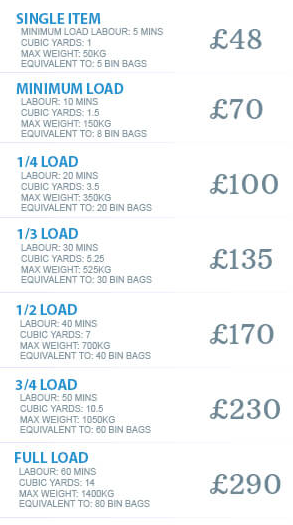
 Tipper Van - Rubbish Removal and Waste Collection Prices in Dulwich, SE21
 Luton Van - Rubbish Removal and Waste Collection Prices in Dulwich, SE21