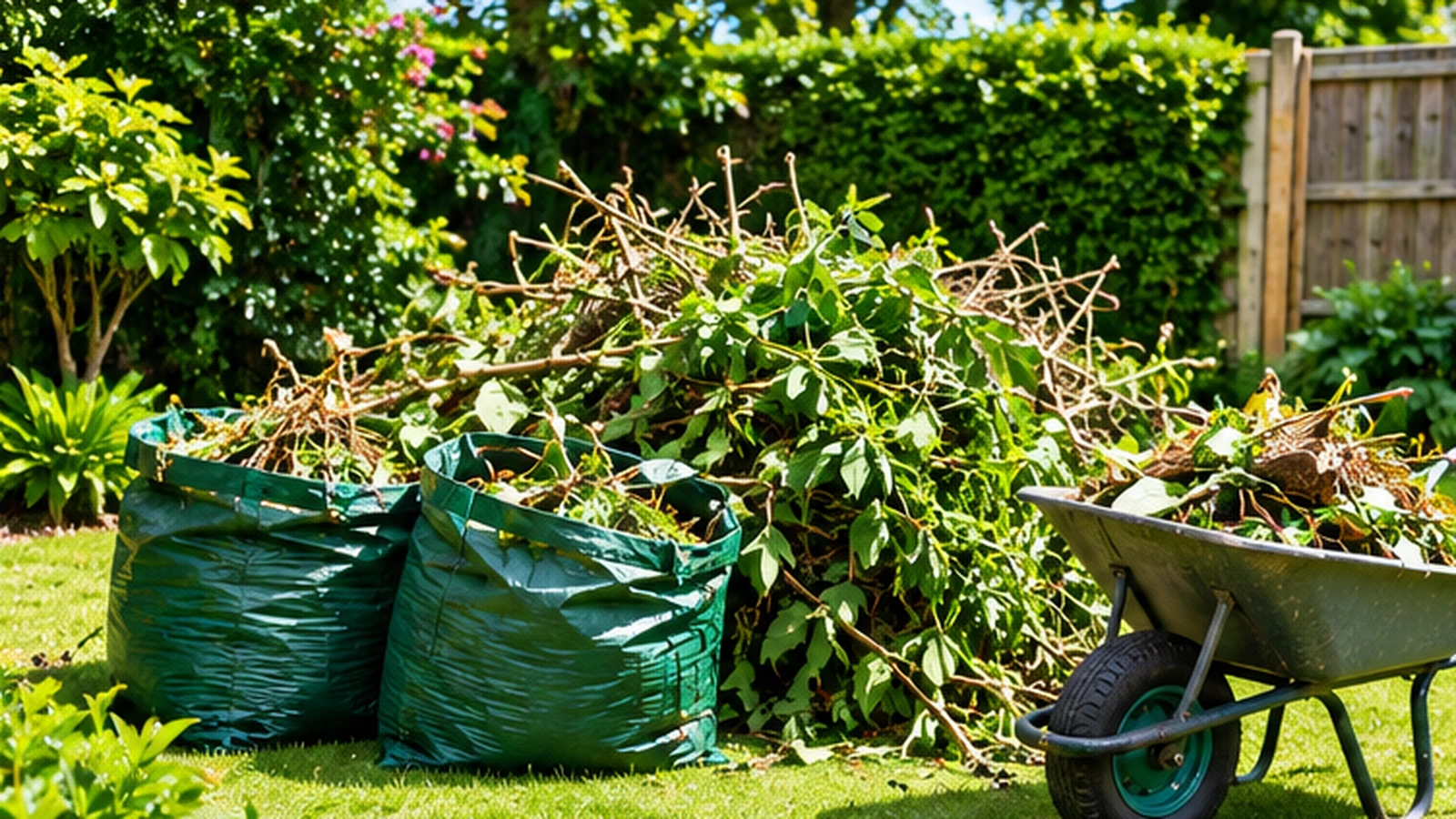
Garden Waste Removal
Branches, trimmings and suitable green waste from residential gardens.
Learn more →
LOCAL · RELIABLE · AFFORDABLE
Practical rubbish clearance for homes and businesses in Dulwich SE22. From one bulky item to a larger property clearance, tell us what needs collecting.
OUR SERVICES
Branches, trimmings and suitable green waste from residential gardens.
Learn more →


Sofas, wardrobes, tables and other bulky furniture collection enquiries.
Learn more →CLEAR & TRANSPARENT
Published prices include tax and are based on the volume and weight of waste collected. Loading time, weight limits and accepted waste types apply. Request a tailored quotation for your job.

Rubbish removal and garden waste disposal
| Load | Loading | Cu yd | Max weight | Bin bags | Price |
|---|---|---|---|---|---|
| Minimum | 10 min | 1.5 | 100-150 kg | 8 | £90 |
| 1/4 Load | 20 min | 3.5 | 200-250 kg | 20 | £160 |
| 1/2 Load | 40 min | 7 | 500-600 kg | 40 | £250 |
| 3/4 Load | 50 min | 10 | 700-800 kg | 60 | £330 |
| Full Load | 60 min | 14 | 900-1100 kg | 80 | £490 |

Rubbish removal and garden waste disposal
| Load | Loading | Cu yd | Max weight | Bin bags | Price |
|---|---|---|---|---|---|
| Minimum | 10 min | 1.5 | 100-150 kg | 8 | £90 |
| 1/4 Load | 40 min | 7 | 400-500 kg | 40 | £250 |
| 1/2 Load | 60 min | 12 | 900-1000 kg | 80 | £370 |
| 3/4 Load | 90 min | 18 | 1400-1500 kg | 100 | £550 |
| Full Load | 120 min | 24 | 1800-2000 kg | 120 | £670 |
CLEARANCE EXAMPLES


HOW IT WORKS
Share the items to remove, approximate volume, postcode and access information.
We assess your request against the type of waste and the applicable load band.
Confirm the available collection arrangements with the assigned provider.
CUSTOMER FEEDBACK

★★★★☆Fantastic experience using Rubbish Collectors Dulwich. Arrived early, worked quickly, and even took additional rubbish not originally mentioned. Staff were friendly and professional. Excellent company, will definitely return for future needs.
★★★★☆Best waste removal experience I've had - professional, friendly, and very prompt.
★★★★☆Very impressed with their efficiency and professionalism. Arrived on time and completed the work quickly. 5 stars for sure!
★★★★★Professional and friendly, the lads arrived as promised and kept the area tidy.
★★★★☆Thank you for a very efficient experience. I will definitely be using your services again.
★★★★☆The booking process was seamless and I was well informed throughout. The team showed up exactly when they said and did a great job collecting. Service was superb.
★★★★★After a huge remodeling, my space was chaotic. Junk Disposal Dulwich responded quickly, arriving when promised and working hard. The transformation was incredible--my house was pristine. Absolutely recommend for post-renovation cleaning.
★★★★★Clearing out my flat after years was a challenge I was anxious about, but the team was brilliant! Prompt, knowledgeable, and highly efficient. Job finished exactly as quoted. Would recommend for all rubbish clearance needs.
★★★★★Booking was simple and quick. All charges were upfront and organizing the pickup was easy. Service I'd use again.
★★★★☆Booking was simple and user-friendly, plus great follow-up comms. A call confirmed their arrival time on the day. Collection staff were polite, friendly, and very efficient. Prices were clear and competitive.
YOUR QUESTIONS ANSWERED
Published Tipper Van and Luton Van minimum-load prices start at £90 including tax. The total depends on the volume and weight of the waste, the applicable load allowance and the job details. Check the full price tables for each van type.
The two vans have different published volume, weight and loading-time limits. Tipper Van loads range from 1.5 to 14 cubic yards; Luton Van loads range from 1.5 to 24 cubic yards. The right option depends on the waste and collection arrangements.
These are available service enquiry categories. Describe the items before booking so that suitability, restricted materials and the collecting contractor's requirements can be checked.
Short-notice collection may be possible, subject to contractor availability, waste type and property access. We cannot guarantee a same-day slot before confirming arrangements.
Tell us the waste type, approximate volume, SE22 collection postcode, and whether there are stairs, lifts, parking restrictions or other access issues. Photos can help with mixed or bulky loads.
Bookings are coordinated with independent waste contractors. Carrier registration is checked and appropriate paperwork, including a Waste Transfer Note where legally required, must be provided by the collecting contractor.
Rubbish Removal Dulwich provides a practical waste clearance service in Dulwich, helping customers arrange the removal of everyday rubbish, bulky items and mixed loads without turning the job into a major disruption. Our main service is built around collecting unwanted materials from homes, flats, gardens, garages, offices and trade premises, then arranging disposal in a way that suits the type of waste involved. If you need clear, straightforward rubbish removal in Dulwich, this page outlines the main options and how to request a quotation.
The service is designed for people who want items taken away from the property rather than stored, shifted about or left for later. That can include single bulky pieces, several bags of household waste, office contents, garden cuttings or mixed clutter from a property that needs tidying. We can also support more focused clearances through dedicated service pages, such as rubbish clearance, where the work is centred on collecting general loads and leaving the area ready for the next stage.
For customers comparing options, the service range is often easier to understand when broken into the kind of waste and the space it comes from. Household, garden and furniture jobs each need slightly different handling, while builders’ waste and office items may involve different access or sorting considerations. If you are planning a larger job, a good starting point is to decide whether you need a single item removed, a room cleared or a broader property tidy-up. Use the pages below to match the job to the service.
General rubbish clearance is often the simplest choice when the contents are mixed and the main goal is to get the waste off the premises efficiently. That can cover bagged rubbish, broken household goods, miscellaneous clutter and other items that do not fit neatly into a specialist category. The most useful approach is usually to identify what is leaving the property, how much space it takes up and whether the load contains anything awkward, heavy or difficult to move through the building. If you want a broader overview of the service range, the services overview page gives a useful starting point.
Some customers only need a single collection, while others want waste taken away as part of a deeper clear-out. In either case, it helps to keep the job practical: separate reusable items from true waste, keep access routes clear where possible and note anything that is especially heavy or fragile. For more information about what the pricing may depend on, the prices page is useful alongside the dedicated pricing and quotes information.
Before requesting a quotation, it is sensible to think about the load in a way that helps describe it clearly. Useful details often include the type of waste, the number of items, whether the job is inside or outside and whether any lifting or dismantling may be needed. A short written summary can be enough for a first estimate, and photographs can help when the contents are mixed or the amount of waste is difficult to judge from memory. If you already know what needs removing, that makes it easier to match the right service to the work.
House clearance work is usually more involved than a simple collection because it can cover several rooms, storage areas or a whole property. It may include old furniture, bagged rubbish, household possessions, white goods and items left behind after a move or refurbishment. The house clearance page is the best fit when the job is centred on clearing domestic space in a structured way rather than removing a single bulky item. For furnishings that are still taking up valuable room, the dedicated furniture disposal page is the more specific option.
Lofts, garages and similar storage spaces often need a different sort of plan because the items are usually stacked, boxed or left in mixed condition. The work can involve careful movement down stairs, around narrow landings or through side access, so it is worth thinking about how the items are stored before you ask for a quote. That is why the service pages for loft clearance and garage clearance are useful when the waste is tied to a particular part of the property rather than the whole building.
In this kind of work, detail matters more than drama. A concise description of what is being cleared, whether it is furniture-heavy or mixed general waste, and how easy it is to access the area will usually help produce a more accurate quotation. If you are arranging a full or partial clear-out, it can also be useful to think ahead about whether anything is to be retained, because separating keepers from rubbish before the visit can make the job easier to plan.
Outdoor and trade waste need different treatment because they are not always handled in the same way as standard household rubbish. Garden clearances can include branches, cuttings, soil, old planters, damaged outdoor furniture and general green waste, while building or renovation jobs may involve timber offcuts, rubble, packaging and other materials that come from a worksite. The relevant service pages, such as garden waste removal and builders’ waste clearance, are useful when the contents are more specialised than an ordinary tidy-up.
Mixed loads are common, especially where a property project has produced several different kinds of waste at once. In those cases, it helps to think in terms of materials rather than room labels: what is green waste, what is construction debris, what is reusable furniture and what is simply general rubbish? That distinction can shape the approach to loading and disposal, and it makes it easier to choose between junk removal and the more general waste removal option depending on the contents.
When a job contains several waste types, list them in order of volume. For example, a garage might hold cardboard, old shelves, damaged chairs and some garden offcuts, while a refurb may leave packaging, broken fixtures and a few heavier pieces. One or two clear paragraphs or a short message can be enough to describe this, especially if you also mention whether access is through a driveway, side passage or internal staircase. That kind of clarity is often more useful than a long explanation.
Commercial waste removal has its own rhythm because workplaces usually need fast, tidy clearances that fit around business hours and building access. Office clearance may involve desks, chairs, filing cabinets, archive material, monitors and assorted office clutter, so the task is not simply about lifting objects but also about working around shared entrances and restricted spaces. If the job is based around equipment, furniture or accumulated office items, the dedicated office clearance page is the most relevant route.
Some customers compare direct collection with skip hire before deciding how to proceed. Skip hire can suit ongoing work or repeated disposal during a project, while a collection service can be more convenient when the waste is already gathered and simply needs to be removed from the site. If that is the decision you are weighing up, the skip hire page gives the useful alternative view, while rubbish collection remains the better fit when you want a one-off removal arranged around the existing waste.
In workplaces, the most practical enquiry often says what is being cleared, where it is located and whether the job has a deadline attached to a move, refit or closure. That is enough for an initial conversation. For mixed commercial loads, mention anything that cannot be moved easily, and note whether the waste is already in one place or spread over several rooms. A neat summary helps the service to be matched correctly and reduces the risk of confusion later on.
Price is usually shaped by the amount of waste, the kind of materials involved, the access conditions and the time needed to load the items safely. A compact pile of light waste will not be treated the same way as heavy furniture, builders’ debris or a load that must be carried down multiple floors. That is why the rubbish removal costs explained article can be useful background reading if you want to understand the factors that commonly influence a quote.
The best way to prepare for a quotation is usually to be honest and specific, but not overcomplicate it. A short list can help: the type of waste, approximate quantity, access details and any items that need special handling. You do not need to write a long survey note. If the job is still at the planning stage, the preparation guide gives a sensible framework, while the hidden costs article is helpful for understanding what to ask before confirming a booking.
When comparing services, choose the page that best matches the dominant part of the job. If it is one bulky sofa, go to furniture disposal; if it is a cluttered loft, choose loft clearance; if it is garden debris, use the garden waste page. That simple rule often saves time and leads to a better quotation because the enquiry is already aligned with the right type of work. Start with the most specific page you can.
Dulwich is a district in south London with a strong sense of local identity shaped by its historic estates, village-style streets and long-established cultural institutions. The area is closely associated with the legacy of Edward Alleyn and the College of God’s Gift, whose 17th-century origins helped shape landownership and development in the district. Dulwich Village remains one of its best-known historic centres, with conservation area character, mature trees and a network of streets that still reflect older suburban patterns rather than the denser grid often found elsewhere in London. The wider district includes Dulwich Picture Gallery, established in 1811 and recognised as one of the world’s first purpose-built public art galleries, alongside landmarks such as Dulwich Park, which opened in 1890 and remains a major green space for walking and leisure. The area also includes parts of Herne Hill, East Dulwich and West Dulwich, each with its own commercial and residential character, while the commons and railway corridors contribute to the varied feel of the district. Transport links, including rail stations serving the wider Dulwich area, connect the neighbourhoods to central London, but much of the local appeal comes from the combination of architecture, open space and a comparatively calm residential atmosphere. This mix of heritage buildings, parks, cultural venues and everyday streets gives Dulwich a distinctive profile within the capital, balancing tradition with active community life.
Request a quotation when you are ready
Waste clearance is not only about moving items away; it also involves making sensible choices about handling, sorting and disposal. Some materials are straightforward, while others may need careful separation or special attention because of their weight, condition or composition. The insurance and safety page and the safe and compliant article are useful if you want to understand the practical side of carrying waste through a property or shared space.
Compliance matters because different waste streams should be handled appropriately, and customers often want reassurance that the process is being managed responsibly. If you are interested in the broader approach to disposal, the recycling and sustainability page explains the general direction of responsible handling, while the duty of care article gives a useful overview of why proper disposal matters. The aim is to make the job efficient without losing sight of how the materials should be dealt with afterwards.
For many enquiries, the most helpful message is brief: what needs removing, where it is, and what is awkward about it. You can also mention if the load contains mixed materials or if access is tight. A clear summary helps the quotation process without forcing you to over-explain the job. Send the facts, keep the wording simple and let the service be matched to the waste.
When you are ready to move forward, the easiest route is to choose the page that best fits the main type of waste and then make a clear enquiry. If you are still deciding, the blog can help with practical comparisons, while the main service pages give a better view of the options for household, furniture, garden, office and mixed waste. A little planning at the start often makes the rest of the process simpler because the right page already narrows down the kind of job being discussed.
It is also useful to think about any items that must stay on site, any access issues, and whether the job is a one-off or part of a wider clear-out. Those details are especially important where large objects, stairs or shared access are involved. If you are comparing services with costs in mind, the dedicated pricing pages and the explanatory articles together give a more rounded picture than any single page on its own.
If you would like to talk through a clear-out in Dulwich, contact us to request a quotation. We will use the details you provide to help match the right service to your waste and the space it needs to leave.