What Sets a Licensed Rubbish Collector Apart from Cowboys?
Posted on 22/03/2026
What Sets a Licensed Rubbish Collector Apart from Cowboys?
You can smell it before you see it: damp cardboard, last week's takeaway, a sofa the colour of old tea. When you're staring down a pile of unwanted stuff, a cheap ad for "rubbish removal - no job too small" can feel like a lifesaver. But here's the thing: choosing the wrong operator - the so-called cowboys - can turn a quick tidy-up into a legal and financial headache. This guide unpacks, in plain English, what sets a licensed rubbish collector apart from cowboys, how to vet a provider, and how to protect yourself, your wallet, and the environment.
We've cleared thousands of homes and businesses across the UK, and truth be told, we've seen both sides: the smooth hum of a legitimate crew at 7am, paperwork tidy and boots clean, and the aftershock of a rogue trader who dumped a day's worth of waste under a railway arch. Let's help you avoid the second one, for good.
Why This Topic Matters
There's a simple question behind this entire guide: What sets a licensed rubbish collector apart from cowboys? In one word: accountability. Legal waste carriers are registered, insured, traceable, and bound by the UK's Duty of Care. Cowboys - the fly-by-night operators - are not. They trade on low prices, no paper trail, and the hope they won't get caught dumping your waste in a layby at 2am.
Here's the bigger picture. According to DEFRA, England sees over a million reported fly-tipping incidents every year. Most of it is household waste. Councils spend tens of millions cleaning it up. The environment suffers, local communities get fed up, and householder fines are on the rise. And yes, if your waste is found dumped, you - the original producer - can be fined under the Environmental Protection Act 1990. Even if you "didn't know." Hard truth, but it's the law.
A quick human moment: a customer told us they hired a van they saw on social media. Looked legit. Cheery bloke. Two days later the council knocked, because letters with their address were in a pile dumped behind a supermarket. The smell hit before the fines did. It was raining hard that day; they remember the sound of water dripping off black bags as the officers spoke.
So, why does this matter? Because hiring licensed rubbish collectors protects your legal position, your local environment, and - to be fair - your peace of mind.
Key Benefits
Choosing a licensed rubbish collector (also called a licensed waste carrier or professional rubbish removal firm) has tangible benefits. Not fluffy marketing. Practical stuff you can feel and measure.
- Legal compliance: Proper carriers hold a valid Upper Tier Waste Carrier Licence (England: Environment Agency; Wales: Natural Resources Wales; Scotland: SEPA; Northern Ireland: NIEA). They provide a Waste Transfer Note (WTN) for every load. You keep it, they keep it.
- Traceability: Legit firms can show transfer station receipts, weighbridge tickets, and end-destination details. Cowboys can't. If you ask, a licensed firm will happily walk you through the chain of custody.
- Insurance and safety: Look for public liability insurance (often ?5m or ?10m), employer's liability cover, method statements, and risk assessments. That's your protection if something goes wrong on site.
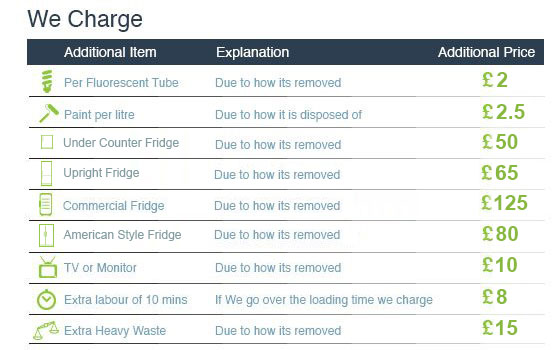
- Transparent pricing: Clear quotes, line items, and predictable surcharges (mattresses, fridges, heavy rubble). Cowboys quote low and pile on extras - or disappear after cash in hand.
- Higher recycling rates: Ethical carriers segregate materials, work with licensed transfer stations, and avoid unnecessary landfill. It's cleaner and, quite often, cheaper long-term.
- Professional standards: Uniformed staff, branded vehicles, punctuality, proper lifting equipment, PPE. A small detail? Maybe. But it's the difference between a calm job and chaos on the kerb.
- Reputation and reliability: Real reviews, trade memberships, and, importantly, a geographical footprint. If they've been around for years, they won't risk that with dodgy disposal.
Clean, clear, calm. That's the goal. You'll feel the difference when the crew steps out of the lorry and the process just... works.
Step-by-Step Guidance
Let's get practical. Here's exactly how to vet a rubbish removal company and what to do before, during, and after the job. This is the real answer to What sets a licensed rubbish collector apart from cowboys? - the steps they follow without fuss.
Before You Book
- Check the Waste Carrier Licence
- Ask for their company name and licence number.
- Verify on the Environment Agency's public register (England) or your national regulator. Search for name and number. The details must match.
- Ensure it's Upper Tier if they're carrying waste for others (most man-and-van services need this).
- Request insurance proof
- Public liability insurance certificate.
- Employer's liability if they have staff.
- Ask for coverage amounts and expiry dates. Simple, polite, effective.
- Get a detailed quote in writing
- Itemised costs (volume, weight, or list of items).
- Known surcharges: mattresses, fridge/freezers, TVs/monitors (WEEE), tyres, rubble.
- What's included: loading time, labour, parking, congestion/ULEZ charges if in London.
- Check identity and track record
- Company registration and VAT (if applicable).
- Real reviews on independent platforms, not just screenshots.
- Photos of previous jobs. Are vehicles liveried? Staff in uniform?
- Ask about documentation
- They should mention a Waste Transfer Note as standard.
- For hazardous items (e.g., fluorescent tubes, certain paints): a Hazardous Waste Consignment Note.
- Data wiping certificates for IT equipment if requested.
On the Day
- Walkthrough and confirmation
- Do a quick site tour. Point out access issues, heavy items, stairs.
- Confirm the price before loading starts. If it changes, get the new price in writing.
- Safety first
- Expect PPE: gloves, boots, high-vis. A small thing that shows professionalism.
- Ask them to separate recyclables if practical.
- Paperwork as they load
- Make sure a Waste Transfer Note is prepared. It must include: your details, theirs, date, waste description and EWC code, quantity, destination, signatures.
- Take a quick photo of the vehicle's number plate and the loaded waste. Five seconds now can save hours later.
After the Job
- Receive and file your documents
- Get the signed WTN. For hazardous items, get the consignment note.
- Keep WTNs for 2 years; keep hazardous consignment notes for 3 years. That's not optional.
- Ask for disposal evidence, if needed
- Weighbridge ticket or transfer station receipt. Many firms share these on request.
- Review and reflect
- Leave an honest review to help your neighbours choose well.
- Book periodic clearances to avoid big, costly accumulations. Little and often wins.
One small story: we once cleared a cluttered basement in Haringey. The owner made tea while we sorted wood from metal; you could almost smell the sawdust and cold concrete. A tidy, labelled WTN at the end and a relieved smile - that's how it should feel.
Expert Tips
These are the insider details that, honestly, cowboys hate.
- Always verify the licence on the official register. Don't rely on a screenshot; those can be borrowed or edited. Five minutes well spent.
- Insist on a WTN and underline it in your own notes: Waste Transfer Note. If they won't issue one, stop the job. No drama, just no go.
- Beware cash-only deals. It's not that cash is illegal, but never pay cash without a receipt. No receipt often equals no compliance.
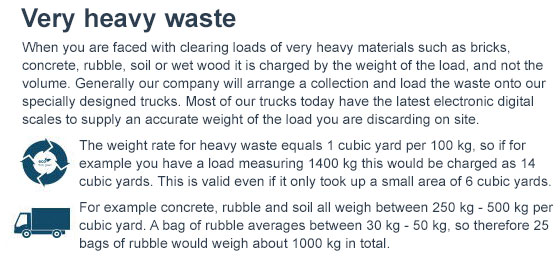
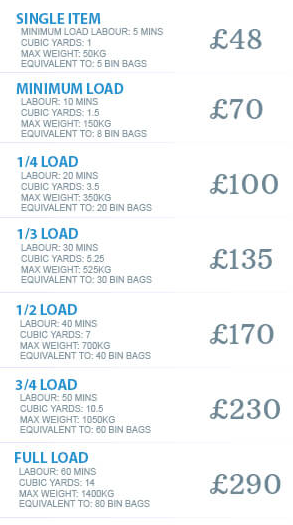
- Know your units: Some quote by cubic yard, some by van load, some by weight. Ask what a "half load" actually is. If in doubt, request a photo guide or a cubic-yard equivalent.
- Ask where it goes: A legit operator will name a licensed transfer station and typical recycling rates. Vague answers are red flags.
- Photograph the vehicle and crew (with permission). Number plate, branding, and before/after waste shots. This protects you under Duty of Care.
- Time your booking: Prices can spike at month-end, bank holidays, and spring clean weekends. Book midweek mornings if you can. Less rush, often better rates.
- Separate early: If you pre-sort metal, cardboard, and WEEE, you may get a better price. It's faster for everyone.
- Watch for greenwashing: "Zero to landfill" claims should be backed by transfer station certificates or partnerships. Ask. A good firm will be happy to show.
- For businesses: Put your SIC code on the WTN and record the EWC code (e.g., 20 03 01 for mixed municipal waste). It looks fussy. It keeps auditors happy.
Ever tried clearing a room and found yourself keeping everything "just in case"? Yeah, we've all been there. Book the slot, give yourself a deadline, and let a pro take it from there.
Common Mistakes to Avoid
To be fair, rubbish disposal isn't something most people think about until the pile grows legs. Here are the pitfalls to dodge.
- Hiring on price alone: The cheapest ad on Facebook Marketplace is cheap for a reason. If it sounds too good, pause.
- No paper trail: No WTN, no receipt, no nothing. That's how you end up paying twice - once for removal, again in fines.
- Not checking the register: It takes minutes to confirm a licence. Cowboys bank on you skipping this.
- Ignoring hazardous items: Fridges, TVs, fluorescent tubes, certain paints - they need special handling. Don't mix them into general waste and hope.
- Blocking access: If crews can't park or reach the items, costs rise. Clear a path; warn about stairs and tight corners.
- Leaving it too late: End-of-tenancy clearances on a Friday afternoon? Stressful and pricey. Plan two or three days ahead.
- For businesses: missing EWC codes: Auditors look. Include them on WTNs to stay compliant.
Small confession: even the pros have turned up to find a hallway blocked by a piano. It happens. A quick chat beforehand would have saved everyone's back - and your skirting boards.
Case Study or Real-World Example
Case: The Walthamstow Landlord vs. The Cowboy Van
A landlord in E17 had a flat to turn around in 48 hours. He saw a local social post: "Rubbish removal, any job, fast, ?60 load." The van arrived within the hour. Cash paid. No paperwork. The crew was in and out in 20 minutes. Great - until it wasn't.
Two mornings later, a council officer visited. The tenant's old letters had been found in a fly-tipped pile behind a retail park. Muddy bags, the sour smell of food waste, a ripped sofa cushion. The council traced the landlord as the waste producer. He received a Fixed Penalty Notice under the householder Duty of Care. The "cheap" clearance turned into a ?60 job plus a hefty fine, plus his time.
Contrast that with a licensed rubbish collector we know in the same area. Their quote: ?160+VAT for a half-load, including a WTN, labour, and disposal at a licensed transfer station. They separated metal and cardboard on site. Provided a transfer station receipt afterward. Job done, legally and cleanly, in under an hour.
The difference? Paperwork, traceability, and accountability. That's what sets a licensed rubbish collector apart from cowboys - every single time.
Tools, Resources & Recommendations
If you want to dig into the details or check a company like a pro, these resources help. No fluff - just the places industry people actually use.
- Environment Agency Public Register (England) - search "check waste carrier licence". Verify names, numbers, and status.
- Natural Resources Wales / SEPA / NIEA - the equivalent registers for Wales, Scotland, and Northern Ireland.
- Waste Duty of Care Code of Practice (2018) - official guidance on how to describe, store, transfer, and dispose of waste legally.
- WM3 Guidance - rules for classifying hazardous waste; crucial for paints, chemicals, batteries, etc.
- WRAP - practical recycling guidance and market insights.
- HSE Manual Handling - lifting safely; protect your back and your crew.
- ClearWaste or FixMyStreet - report fly-tipping in your area.
- Independent review sites - read balanced feedback before you book.
One more human tip: if a firm is proud of its compliance, they'll tell you where to look - they'll even send direct links to their records. It's a good sign.
Law, Compliance or Industry Standards (UK-focused if applicable)
For the UK, this is the backbone of what makes a licensed rubbish collector different from cowboys. The law is clear and, frankly, unforgiving.
- Environmental Protection Act 1990 (EPA), Section 34 - Duty of Care for anyone who produces, carries, keeps, treats, or disposes of controlled waste. Householders included. You must take all reasonable steps to ensure your waste is transferred to an authorised person and is accompanied by a written description.
- Waste (England and Wales) Regulations 2011 and Environmental Permitting (England and Wales) Regulations 2016 - underpin the need for carriers, brokers, and dealers to be registered and for transfer and treatment sites to be permitted.
- Waste Carrier/Broker/Dealer Registration - Upper Tier required for carrying others' waste for profit. Check status on the public registers.
- Waste Duty of Care Code of Practice (2018) - sets expectations for describing waste, EWC codes, transfer notes, storage, and secure handling.
- Hazardous Waste: Follow WM3 classification and consignment note rules. Keep consignment notes for 3 years.
- WEEE Regulations (2013) - govern treatment of electrical and electronic equipment. Special rules for fridges/freezers, screens, and batteries.
- Data Protection - If disposing of IT equipment, ensure data destruction to GDPR standards (certificates on request).
- Insurance Requirements - While not set by statute for customers, reputable firms carry public liability and employer's liability insurance. Ask to see them.
- Enforcement and penalties: Fly-tipping can result in unlimited fines and, in serious cases, imprisonment. Householder Duty of Care Fixed Penalty Notices in England can be up to ?600. Local authorities increasingly enforce - DEFRA reports rising FPNs year on year.
If a provider shrugs off the Duty of Care, that's your cue to walk away. Kindly, firmly, walk away.
Checklist
Print this, save it, stick it on the fridge. Here's your quick-hit summary of what sets a licensed rubbish collector apart from cowboys, and what you should do each time.
- Confirm Upper Tier Waste Carrier Licence on the official register.
- Request public liability and employer's liability insurance certificates.
- Get a written quote with clear inclusions and surcharges.
- Ask what transfer station they use; note it down.
- On the day: ensure a Waste Transfer Note is completed and signed.
- Photograph vehicle plate and before/after shots.
- Keep WTNs for 2 years; hazardous notes for 3 years.
- Never accept cash-only with no receipt.
- For businesses: include EWC codes and your SIC code on WTNs.
- Leave a review to help your community avoid cowboys.
One line to remember on busy days: If they won't show the licence, they won't show the landfill. Enough said.
Conclusion with CTA
When you strip it back, the difference between a licensed rubbish collector and a cowboy is simple: care. Care for the law, care for the environment, and care for you. A licensed waste carrier brings documentation, discipline, and decency. Cowboys bring shortcuts. And shortcuts in waste rarely end well.
So, take a breath. Book the right people. Let your space breathe again - clean floor, clear corners, that quiet hum of a job done right. Ever notice how a tidy room somehow makes your shoulders drop? That.
Get a free quote today and see how much you can save.
And whatever you choose next, here's a small wish: may your week smell of fresh air, not damp cardboard.


 Tipper Van - Rubbish Removal and Waste Collection Prices in Dulwich, SE21
 Luton Van - Rubbish Removal and Waste Collection Prices in Dulwich, SE21