What Businesses Need to Know About Commercial Waste Regulations
Posted on 24/12/2025

If you're running a business in the UK, your waste isn't just rubbish -- it's a legal responsibility, a cost centre, and (done well) a quiet source of savings and goodwill. This guide explains what businesses need to know about commercial waste regulations in practical, human terms. We'll cover duty of care, waste transfer notes, hazardous waste rules, food waste, the waste hierarchy, upcoming changes, and how to turn compliance into a tidy operational win.
Truth be told, we've seen it all: the overflowing bin yard on a windy Tuesday, the confused cafe owner with five different collectors, the warehouse manager who only discovers the "paper-only" bin is full of coffee cups when a contamination charge shows up. You deserve clarity. And a calmer bin store.
Why This Topic Matters
Commercial waste regulations exist to protect people, places, and pocketbooks. Under the Environmental Protection Act 1990, every business has a Duty of Care to manage waste safely from creation to final disposal. That includes correct storage, segregation, transport by a licensed carrier, and clear documentation. It's not optional. It's the law.
And the stakes? They're not small. Non-compliance can lead to fixed penalty notices, prosecution, reputational damage, and avoidable costs. Flip that on its head, though, and compliance becomes a lever: fewer missed lifts, lower contamination charges, better recycling rates, and transparent records that make audits painless. Clean, clear, calm. That's the goal.
One afternoon in Shoreditch, we stood in a cramped bin store that smelled like yesterday's pastries and cardboard dust. The manager sighed, "I wasn't expecting regulations to be this detailed." Fair -- but with the right set-up, it's manageable. Even simple, eventually.
So, what businesses need to know about commercial waste regulations? In short: what you create, how you store it, who collects it, where it goes, and how you prove it -- consistently.
Key Benefits
Complying with commercial waste rules isn't just about avoiding fines. Done properly, it unlocks:
- Cost control and reduction - Right-sizing containers and collections can cut weekly charges. Balers and compactors can slash transport costs for high-volume recyclables.
- Reduced contamination fees - Clear signage, lids, and staff training prevent the dreaded surcharge for "wrong stuff in the wrong bin."
- Operational efficiency - A tidy, well-laid-out bin area saves staff time and avoids missed collections. Small detail; big morale boost.
- Regulatory protection - Correct Waste Transfer Notes (WTNs) and hazardous consignment notes provide proof of compliance if you're inspected.
- Brand and stakeholder trust - Customers, investors, and your own team care about responsible waste. It shows.
- Safety - Proper storage of hazardous materials prevents spills, fires, and injury. Insurance likes that too.
- Resource recovery - High-quality recycling turns "waste" back into value. Aluminium and cardboard, notably.
Ever tried clearing a room and found yourself keeping everything "just in case"? Waste systems can feel like that. A simple sorting system and routine makes it lighter, faster, better.
Step-by-Step Guidance
Below is a practical route to robust compliance. Real-world, tried and tested.
1) Map your waste streams
- Walk the site - Note where waste is created: office, kitchen, workshop, back-of-house, yard. Observe during busy hours; mornings feel different to late afternoons.
- List materials - Cardboard, mixed paper, plastics, glass, metals, food, sanitary waste, WEEE (electrical), oils, solvents, clinical, confidential, construction waste, etc.
- Estimate volumes and seasonality - Weekly bags, sacks, wheelie bins, cages, pallets. Christmas spike? Summer lull?
Micro moment: You could almost smell the cardboard dust in the warehouse when we lifted the top pallet. "Yep, we can bale this," the supervisor grinned.
2) Classify correctly (codes matter)
- EWC/LoW codes - Assign European Waste Catalogue (List of Wastes) codes. These identify hazards and determine paperwork.
- Hazardous vs. non-hazardous - Batteries, solvents, some paints, aerosols, fluorescent tubes, oily rags, and clinical wastes often require special handling.
- Sector detail - Healthcare, laboratories, and beauty clinics often need pre-acceptance audits for clinical waste.
Tip: If you're unsure whether a waste is hazardous, request a Safety Data Sheet (SDS) or a technical report from your supplier or consult a competent person. Guessing is... not ideal.
3) Choose storage, segregation, and containers
- Segregate at source - Following the waste hierarchy and separate collections requirements where applicable.
- Container types - 240L-1100L wheelie bins, Eurocarts, bins for glass-only, food-only, and dry mixed recycling; compactors or balers for high volume; lockable clinical or sharps containers.
- Positioning - Keep bins near point-of-generation; reduce walking distances to prevent corner-cutting.
- Safety - Bunded pallets for oils, spill kits nearby, lids closed, pest control measures in place.
- Signage - Use colour-coded, WRAP-compliant signage. Pictures beat paragraphs.
4) Contract a licensed carrier
- Check licences - Your carrier must be registered (upper or lower tier) with the regulator. Verify on the public register.
- Broker competence - If using a broker, ensure they're registered and can demonstrate due diligence on their subcontractors.
- Destination transparency - Ask where your waste goes and how it's treated. Request facility codes and permits if needed.
- Service spec - Days, time windows, access, container type, and contamination rules should be crystal clear.
A warehouse manager once said, "We thought we had a good deal--until the extra fees rolled in." Put the service level in writing. No surprises.
5) Get the paperwork right (and keep it)
- Waste Transfer Notes (WTNs) - For non-hazardous waste. Keep copies for at least two years. Season tickets (annual) can cover regular, similar waste.
- Hazardous Consignment Notes - For hazardous waste. Retain for at least three years.
- Describe accurately - Include EWC codes, SIC code, quantity, container type, and how the waste was packaged.
- Digital records - Reduce lost paperwork and ease audits.
6) Train your team
- Induction and refreshers - 10-20 minutes quarterly beats a once-a-year lecture.
- Role-specific - Kitchen team on food segregation; office staff on confidential waste; maintenance on WEEE and lamps.
- Feedback loop - Encourage staff to report full bins, broken lids, or contamination. Then act on it.
To be fair, people want to do the right thing. Give them a simple system and a reason, then thank them when it's working.
7) Monitor, audit, and improve
- Monthly checks - Contamination, overflow, weight trends, missed lifts.
- Quarterly reviews - Costs, recycling rates, contract performance, complaints.
- Annual audit - Formal review against legal requirements and the waste hierarchy.
8) Plan for incidents
- Spill response - Kits, trained staff, and reporting templates.
- Fire prevention - No hot ashes or lithium batteries in general waste. Dedicated battery boxes reduce serious risk.
- Contingency - Secondary carrier or temporary storage plan if collections fail (strikes, weather, road closures).
9) Align with the Waste Hierarchy
- Prevent - Buy better; avoid single-use.
- Reuse - Packaging take-back, furniture donation.
- Recycle - Clean, segregated streams.
- Recover - Energy from waste when recycling isn't feasible.
- Dispose - Landfill as a last resort.
Small win story: a hotel replaced mini toiletries with dispensers. Less waste, happier cleaners, fewer blocked drains. And guests barely noticed--except to say it felt nicer.
Expert Tips
- Right-size containers - Too many half-empty bins? Reduce frequency or bin count. Overflow? Up-size or add a compacting solution.
- Weigh what matters - Where possible, request weights not just lifts. Data beats guesswork.
- Baler or compactor - Cardboard balers pay back quickly for retailers and warehouses. Compactors suit sites with high general waste volumes; check access and power.
- Battery amnesty box - A simple, labelled box in the staff room prevents dangerous batteries from sneaking into other bins.
- Food caddies with liners - Reduces smell and pests. Short, frequent lifts beat big, infrequent ones for organics.
- Lock it down - Lockable bins deter fly-tipping and avoid contamination from strangers. Sad but real.
- Signage at eye-level - A4 laminated signs, with images, placed where people stand to dispose. One per bin, always.
- Audit with your carrier - Walk the site together twice a year. Their practical tips are gold.
- Season tickets for WTNs - For repeat, non-hazardous streams. Saves admin. Still check details annually.
- Negotiate smarter - Ask for contamination thresholds, missed-lift policy, and transparent disposal routes in the contract.
- End-of-life electronics (WEEE) - Use certified recyclers; request data destruction proof for IT equipment to align with GDPR expectations.
- Storm-proof the bin yard - Strap lids, keep drains clear, mark safe routes. It was raining hard that day--no one wants soggy cardboard.
Yeah, we've all been there: last bag doesn't fit, someone rams it in anyway. A little planning beats a lot of wrestling.
Common Mistakes to Avoid
- No licence check - Using an unregistered carrier can make you liable if waste is fly-tipped. Always verify registrations.
- Paperwork gaps - Missing or incorrect WTNs or consignment notes are a common enforcement trigger.
- Single general-waste bin for everything - Leads to high costs and low recycling. Segregate smartly.
- Overlooking hazardous items - Aerosols, batteries, oils, and lamps sneaking into general waste--risk and liability.
- Poor signage - Vague or text-heavy signs invite contamination. Pictures tell the story.
- Ignoring food waste - Smell, pests, and failed collections. Separate, line, and schedule frequently.
- No training - Staff change; systems drift. Little and often keeps it tidy.
- Not reviewing contracts - Market rates move. A quick tender or renegotiation can free up cash.
- Bins too far away - If it's a trek, contamination creeps in. Put the right bin at the right spot.
- Ignoring local rules - Scotland, Wales, and Northern Ireland have distinct requirements (e.g., separate food waste). Don't assume England's rules apply everywhere.
Ever wondered why collections keep getting missed? Sometimes it's just a wheelie bin parked behind a locked gate. Simple fix. Big impact.
Case Study or Real-World Example
London cafe group: less mess, lower costs
A small chain of four cafes in North London struggled with overflowing general waste, contamination charges, and a fly-tipping hotspot behind one site. Collections were thrice weekly, but bins were often half-full on two of the three days. Staff were confused about what went where.
- Assessment - Waste streams included food, coffee grounds, cardboard, plastic film, glass, and mixed recycling.
- Fixes implemented - Introduced food-only bins with liners and daily internal caddies; increased glass bin frequency; reduced general waste lifts to twice weekly; added a small baler for cardboard at the central kitchen; installed lockable lids; refreshed signage with photos of the cafe's own items.
- Training - 15-minute huddles per site with quick quizzes (winner chose the staff playlist for the day--small perks help!).
- Results (3 months) - General waste dropped 28%; recycling contamination charges fell to near-zero; overall monthly costs reduced by 17%. The alley stopped attracting other people's waste once bins were locked.
The manager's verdict: "It finally feels under control. And it doesn't smell like bins anymore."
Light manufacturing, Midlands: hazardous clarity
A components manufacturer produced oily rags, aerosol cans, swarf, and drums of coolant, plus cardboard and general waste. They had WTNs but weren't keeping hazardous consignment notes properly, and oily rags occasionally ended up in general waste--risky.
- Actions - Introduced designated hazardous containers; bunded storage for oil drums; trained maintenance staff on consignment notes; added a battery collection point.
- Outcome - Zero hazardous non-conformance on the next audit; insurer lowered risk rating; safer, cleaner workshop.
One engineer said, "We always meant to do this. Having the system made it easy--like muscle memory."
Tools, Resources & Recommendations
- Regulator guidance - Environment Agency (England), Natural Resources Wales, SEPA (Scotland), and NIEA (Northern Ireland) publish duty of care and sector notes.
- Duty of Care Code of Practice - Clear, practical legal guidance on how to describe, store, and transfer waste.
- WRAP - Resources on recycling, bin signage, and colour coding. Helpful visual standards.
- Public registers - Verify carrier, broker, or dealer registrations and permits.
- edoc/digital WTNs - Electronic waste transfer systems reduce admin and loss risk.
- Weighbridge tickets - Ask for them where relevant to validate disposal weights.
- Equipment suppliers - Balers, compactors, food waste caddies, lockable lids, battery boxes, and spill kits.
- Training modules - Short toolbox talks tailored to your streams: food, glass, cardboard, hazardous, confidential, WEEE.
Recommendation: Standardise signage site-wide using WRAP-style icons. It sounds small, but it's a behaviour changer.
Law, Compliance or Industry Standards (UK-focused if applicable)
This section outlines the UK framework that shapes what businesses need to know about commercial waste regulations. Always check the latest guidance from your national regulator.
- Environmental Protection Act 1990, Section 34 (Duty of Care) - Businesses must take all reasonable steps to prevent illegal disposal, ensure safe transfer, and use authorised carriers and facilities.
- Waste (England and Wales) Regulations 2011 (as amended) - Introduce the waste hierarchy duty and separate collection requirements where it's technically, environmentally and economically practicable (TEEP).
- Controlled Waste (England and Wales) Regulations 2012 - Define categories of controlled waste including commercial waste.
- Hazardous Waste (England and Wales) Regulations - Cover classification, consignment, and record-keeping for hazardous waste.
- Special Waste Regulations (Scotland) - Similar function to hazardous waste rules for Scotland.
- Waste Management Licensing / Environmental Permitting - Facilities receiving or treating waste must hold appropriate permits.
- Carriage of Dangerous Goods and ADR - Applies when transporting certain hazardous wastes (e.g., flammable liquids, acids). Packaging and labelling must meet ADR.
- WEEE Regulations - Electrical and electronic equipment must be treated, recycled, and documented via approved schemes.
- Producer Responsibility (Packaging) - Businesses that place packaging on the market have reporting and financial obligations; reforms are evolving (e.g., EPR developments).
- Clinical Waste & Offensive/Hygiene Waste - Pre-acceptance audits and specific treatment routes often required.
- Food Waste - Separate collection is mandated in Scotland and Wales for many businesses; requirements vary by nation and may expand with forthcoming reforms in England.
- Oil Storage Regulations - Secondary containment (bunds) and handling standards for oil to prevent pollution incidents.
Record retention - Keep non-hazardous WTNs for at least two years and hazardous/special consignment notes for at least three years. Store accessibly; inspections can be short notice.
Enforcement - Environment Agency (England), NRW, SEPA, NIEA, and local authorities can issue Fixed Penalty Notices or prosecute for breaches. Fines and remediation costs can escalate, especially for environmental harm.
Upcoming and evolving policies - Government signalled reforms (often referred to as "Simpler Recycling" and Extended Producer Responsibility changes). Timelines and specifics vary; confirm current requirements with your regulator and local authority, especially around separate collections and food waste in England. As of our latest verified guidance, staged rollouts were anticipated from 2025 onwards--check for updates.
Regulations shift. But the core stays steady: segregate, store safely, use licensed carriers, and keep clean records.
Checklist
- [ ] List every waste stream you produce and annual volumes.
- [ ] Assign correct EWC/LoW codes; identify hazardous items.
- [ ] Provide the right containers, near generation points, with lids.
- [ ] Install clear, image-led, colour-coded signage (WRAP style).
- [ ] Verify your carrier/broker registration and facility permits.
- [ ] Agree written service specs: frequency, access, contamination rules.
- [ ] Implement WTNs/season tickets and consignment notes as required.
- [ ] Train staff at induction and quarterly; keep attendance logs.
- [ ] Keep WTNs for 2 years; hazardous notes for 3 years.
- [ ] Audit monthly; review contracts quarterly; benchmark annually.
- [ ] Prepare spill response, fire risk, and contingency plans.
- [ ] Monitor costs and recycling rates; act on trends.
Print it. Pin it by the bin store. Simple works.
Conclusion with CTA
Regulatory compliance around commercial waste isn't a maze; it's a map. Once you know the route--what you make, where it goes, how it's documented--you move with confidence. Costs fall, clutter fades, and those bins stop feeling like a headache you carry home.
Set the foundation with the steps above, keep your records in reach, and treat your carrier like a partner. You'll notice the difference within a month. Sometimes within a week.
Get a free quote today and see how much you can save.
And hey--give yourself a moment when the bin yard is finally calm and everything's labelled just right. Feels good, doesn't it?


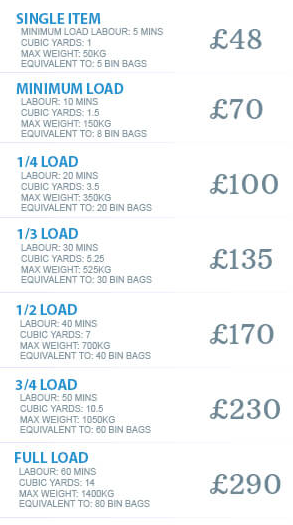
 Tipper Van - Rubbish Removal and Waste Collection Prices in Dulwich, SE21
 Luton Van - Rubbish Removal and Waste Collection Prices in Dulwich, SE21