Understanding Duty of Care: Legal Obligations for Rubbish Disposal
Posted on 25/01/2026
Understanding Duty of Care: Legal Obligations for Rubbish Disposal
Whether you're running a busy cafe in Manchester, renovating a terraced house in London, or simply clearing out the loft on a rainy Saturday, one thing is certain: the waste you create is your responsibility until it's correctly disposed of. That responsibility has a name in UK law -- the Duty of Care. Understanding Duty of Care for rubbish disposal isn't just about avoiding fines; it's about protecting your business, your community, and the environment. And, to be fair, it's about peace of mind too.
This long-form guide walks you through the legal obligations for waste disposal in plain English, with practical steps, expert tips, and UK-focused compliance references you can trust. You'll learn how to classify waste properly, choose a licensed carrier, complete Waste Transfer Notes (WTNs) without stress, and avoid the pitfalls that often lead to fly-tipping or costly penalties. We'll keep it human, grounded, and honest -- because real life is messy, and rubbish management can feel complicated. It doesn't have to be.
Why This Topic Matters
The UK generates millions of tonnes of waste every year. Most of it is managed safely -- but the rest? The fly-tipped mattresses, the black bags dumped in lay-bys, the paint tins left in skips. That's where trouble starts. The Duty of Care exists to stop exactly that. It requires anyone who produces, imports, carries, keeps, treats, or disposes of controlled waste to take all reasonable steps to keep it safe and ensure it only goes to authorised people and places.
In practice, Understanding Duty of Care: Legal Obligations for Rubbish Disposal means:
- Classifying what you've got (is it general waste, recyclable, hazardous?).
- Storing it properly and securely.
- Transferring it only to registered carriers or permitted sites.
- Completing the right paperwork and keeping it for the required time.
Ever tried clearing a room and found yourself keeping everything, just in case? Waste compliance can feel similar. You're not alone. In our experience, once you know the rules, the whole process becomes simpler, cleaner, and -- honestly -- cheaper.
Micro moment: You could almost smell the cardboard dust in the air as a small online shop in Hackney broke down boxes, labelled them by stream, and finally felt "on top of it" for the first time. Small thing. Big relief.
Key Benefits
Taking your Duty of Care seriously delivers real-world payoffs. Not just on paper.
- Legal protection: Reduce the risk of fines, enforcement action, or court proceedings.
- Cost control: Correct classification prevents over-paying for disposal and reduces contamination penalties.
- Reputation: Customers notice clean premises and responsible practices. So do local councils and neighbours.
- Environmental impact: More recycling, less landfill, fewer carbon-heavy journeys -- it all adds up.
- Operational efficiency: Clear processes mean faster clear-outs and fewer last-minute scrambles for paperwork.
- Data for decisions: Tracking waste by stream reveals opportunities to reduce, reuse, and renegotiate contracts.
Truth be told, a tidy waste system trickles into everything else. Clean, clear, calm. That's the goal.
Step-by-Step Guidance
Below is a practical, UK-focused walkthrough for households and businesses. Understanding Duty of Care: Legal Obligations for Rubbish Disposal begins with getting the basics right.
For Households
- Identify your waste types. Separate recyclables (paper, card, glass, cans), general waste, garden waste, and bulky items. Set aside anything unusual: paint, chemicals, batteries, electricals (WEEE), asbestos -- these often need special handling.
- Store safely before collection. Use tied bags for general waste, rinse recyclables if possible, and keep hazardous items in original containers where feasible. Keep it dry; soggy cardboard contaminates recycling.
- Check your local council rules. Bin day, recycling streams, garden waste subscriptions, bulky waste booking -- it varies by borough. In London, one street over can mean different arrangements.
- Using a private collector? Check they're registered as a waste carrier. Ask for the company name, registration number, and proof on arrival. No reg, no collection -- simple as that.
- Get documentation. For larger collections (e.g., house clearance), ask for a Waste Transfer Note or an invoice that clearly states where the waste will go. Keep records and photos.
- Disposal sites. Household Waste Recycling Centres (HWRCs) accept many items free of charge for residents. Check for booking slots, ID requirements, or vehicle-size restrictions.
- Special items. Paint, chemicals, gas bottles, tyres, fridges, and TVs often require particular routes. Some retailers offer take-back schemes.
One quiet Sunday in Leeds, a family finally cleared the shed. The smell of damp timber and old turpentine lingered -- but the feeling of doing it right (with a licensed collector) was worth it. They slept better that night.
For Businesses
- Classify your waste correctly. Use the European Waste Catalogue (EWC/LoW codes) and the Environment Agency's WM3 guidance to determine hazardous vs non-hazardous status. Misclassification is a top reason for fines.
- Set up segregation at source. Provide clearly labelled containers for general waste, mixed recycling, food, glass, cardboard, and any sector-specific streams (e.g., clinical, confidential).
- Choose a registered carrier and permitted facility. Check the public register for carriers, brokers, and dealers. Confirm the receiving site's permit allows it to accept your waste types.
- Complete a Waste Transfer Note (WTN) for non-hazardous waste. Include both parties' details, description of the waste, EWC code, container type, quantity, date/time, and how it's contained. Keep notes for at least two years (three for hazardous consignment notes).
- Use Hazardous Waste Consignment Notes when required. For chemicals, oil filters, fluorescent tubes, solvent wastes, certain paints, contaminated rags -- ensure classification and consignment are correct.
- Train staff. A five-minute toolbox talk prevents months of mess. Show photos of right/wrong segregation. Explain contamination costs.
- Audit and improve. Do a quarterly walk-through. Check for overflowing bins, contamination, missing labels. Adjust collection frequency accordingly.
- Review contracts annually. Prices, streams, rebates for baled cardboard, food waste collections -- markets change. Renegotiate with data in hand.
- Document everything. Policies, risk assessments, WTNs, consignment notes, carrier checks, and permit numbers. Keep them organised; digital makes it easy.
Ever lifted a bin lid and winced at the smell of mixed food and cardboard? That mix costs twice: contamination fees and lost recycling value. Sort it at the start. Your nose (and your accountant) will thank you.
Expert Tips
- Photograph waste before transfer. A quick snap on your phone can prove you handed over secure, contained waste to a registered collector. It's simple protection.
- Don't rely on a logo alone. Ask for the waste carrier registration number and look it up on the official register. Numbers matter more than branding.
- Label containers in plain language. "Cardboard only -- no cups" beats a generic recycling symbol. People follow clarity.
- Use a central WTN template. Pre-fill static data (your business name, address, SIC code) so every collection is fast and compliant.
- Plan for seasonal spikes. Retail peak? Garden waste in spring? Book extra collections early; avoid emergency pricing.
- Store hazardous items separately. Keep fluorescent tubes, aerosols, and paint in a secure, ventilated area away from heat sources. Check COSHH and fire risk.
- Keep a "rogue carrier" policy. Staff should know to decline unverified collectors, however cheap. No exceptions.
- Build a traceability chain. Ask your waste provider where the material goes. Reprocessors, MRFs, AD plants -- transparency builds trust.
- Watch new regulations. Wales now requires workplace recycling segregation; England is rolling out simpler recycling reforms; digital waste tracking is coming. Stay ready.
- Small humour, big truth: If your cardboard store smells like last night's takeaway, something's going wrong. Keep food out.
It's kinda wild how a few labels and a better bin layout can halve the mess in a week. You'll see why.
Common Mistakes to Avoid
- "Man with a van" without checks. If they fly-tip your waste, you can still be fined. Always verify registration.
- Missing or incomplete WTNs. Vague descriptions like "rubbish" aren't enough. Specify materials, EWC codes, quantities.
- Mixing hazardous and non-hazardous waste. The entire load may be treated as hazardous, with costs to match.
- Overflowing bins. Loose waste attracts pests and complaints. Overfilled skips can be refused or incur surcharges.
- Assuming staff "will figure it out." Without training, contamination creeps in. Teach, then trust.
- Poor storage. Wet cardboard, unsealed paint, unlocked containers -- these are red flags in inspections.
- Not checking permits. Carriers may be registered, but can the receiving site legally take your waste type? Always confirm.
- Throwing out data-bearing items. Hard drives, USBs, and paper records need secure destruction with a certificate.
- Ignoring local rules. Skip on the road? You'll likely need a permit and lights. Boroughs enforce this strictly.
- No contingency plan. Provider off sick or vehicle breakdown? Keep a backup contact list.
Yeah, we've all been there -- the "it'll be fine" moment. Spoiler: it often isn't. A quick check now saves headaches later.
Case Study or Real-World Example
1) The Croydon Householder and the "Too-Good-To-Be-True" Quote
It was raining hard outside that day. A homeowner in Croydon hired a cheap collector to clear old wardrobes and garden bags. No paperwork, no registration number, and the van left in a hurry. A week later, the waste turned up in a nearby lane. The council traced it back to the householder through an envelope with an address. Result? A fixed penalty notice and a long, frustrating appeal that went nowhere. The homeowner now always checks the registration and keeps a simple photo log. Lesson learned.
2) The Manchester Cafe That Halved Its Waste Costs
A small cafe in the Northern Quarter struggled with overflowing general waste, especially weekends. After a quick audit: they added a glass bin, separated food waste, moved the cardboard cage closer to the back door, and trained weekend staff. Within six weeks, contamination charges disappeared and general waste lifts dropped by a third. They reinvested the savings into better outdoor seating. Clean bins, happier customers, calmer mornings.
3) The Construction Contractor Who Got Audited -- and Passed
A regional contractor in the Midlands introduced site-specific WTNs, mandatory EWC codes on all notes, and a "no paperwork, no movement" rule for skips. When the Environment Agency visited, the site manager opened a tidy file: permits, consignment notes for asbestos, photos of segregated piles. The auditor nodded, impressed. No action taken; just a handshake and a quiet sense of pride across the site.
Tools, Resources & Recommendations
- GOV.UK Waste Carrier Check: Verify your carrier or broker on the official register. England, Wales, Scotland, and Northern Ireland have separate portals.
- Environment Agency / Natural Resources Wales / SEPA / DAERA: Public registers for permits and carriers; guidance on hazardous waste, storage, and consignment.
- Waste Duty of Care Code of Practice (2018, England and Wales): The definitive guide to s.34 EPA compliance. Scotland and Northern Ireland have their own Codes.
- WM3 Guidance: Technical guidance for classifying waste (hazardous vs non-hazardous), including EWC codes and mirror entries.
- WRAP Resources: Practical guides on recycling streams, food waste reduction, and business case studies.
- WTN and Consignment Note Templates: Keep digital templates with your company details pre-filled to reduce errors.
- Digital Tools: Use apps to store WTNs, timestamp photos, and track collections. Even a shared drive folder with date-based naming helps.
- Local Council Services: HWRC booking pages, bulky waste collections, and skip permit requirements.
- Sector Guidance: Healthcare, hospitality, education, and construction all have specific waste rules -- check industry bodies.
- Emerging: UK digital waste tracking service (in development) will standardise manifests from production to final treatment. Good to keep an eye on.
Pro tip: add your carrier's registration expiry date to your calendar. A 60-day reminder avoids awkward "we didn't know" moments.
Law, Compliance or Industry Standards (UK-focused)
Understanding Duty of Care: Legal Obligations for Rubbish Disposal rests on several core legal instruments across the UK. Here's the essentials, boiled down but accurate.
Key Legislation
- Environmental Protection Act 1990 (EPA), Section 34: Establishes the Duty of Care for anyone who produces, imports, carries, keeps, treats, or disposes of controlled waste.
- Waste (England and Wales) Regulations 2011 (as amended): Sets out requirements for waste carriers, brokers, dealers, and the waste hierarchy (prevention, reuse, recycling, recovery, disposal).
- Waste Duty of Care Code of Practice (2018, England & Wales): Statutory guidance describing what "reasonable steps" mean in practice.
- Scottish Duty of Care Code of Practice (SEPA) and Northern Ireland Code: Equivalent frameworks tailored to devolved administrations.
- Hazardous Waste Regulations (various UK instruments): Requirements for classification, consignment notes, and storage. Use WM3 to classify.
- Clean Neighbourhoods and Environment Act 2005: Powers for councils to tackle fly-tipping and waste offences.
- Wales Workplace Recycling Regulations (from April 2024): Require separation of specific recycling streams by workplaces.
Your Core Duties
- Prevent escape of waste. Keep it secure, contained, and safe.
- Transfer only to authorised people. Check registrations and permits. Keep proof.
- Provide an accurate written description. WTNs (non-hazardous) and Consignment Notes (hazardous) with EWC codes and details.
- Apply the waste hierarchy. Prioritise prevention and recycling where reasonably practicable.
- Keep records. WTNs for 2 years; hazardous consignment notes for 3 years (minimums).
Penalties and Enforcement
- Householder Duty of Care: Councils can issue fixed penalty notices (FPNs), typically around ?200-?400 in England, for failing to take reasonable steps (e.g., using unlicensed collectors).
- Business Offences: Courts can impose unlimited fines and, in serious cases, imprisonment for environmental offences.
- Fly-tipping: Vehicles involved can be seized; investigation costs may be recovered.
Important: A cheap, cash-only collection with no paperwork is a classic red flag. If it seems too good to be true, it probably is.
Special Notes by Nation
- England: Watch for simpler recycling reforms and digital waste tracking over the coming years.
- Wales: Workplace separation of waste streams is now mandatory; expect inspections.
- Scotland: Separate presentation of key recyclables has been a requirement for years; SEPA enforces actively.
- Northern Ireland: Duty of Care applies; check DAERA for carriers and guidance.
Not sure where your operation sits? When in doubt, ask your carrier or the relevant environmental regulator. A five-minute call beats a five-figure fine.
Checklist
Use this quick list to stay compliant. Print it, stick it on the wall, and breathe easier.
- Waste identification: EWC/LoW codes assigned, hazardous status confirmed.
- Segregation: Clearly labelled containers for each stream; lids fit; no leaks.
- Storage: Secure location, weather-protected, away from drains where relevant.
- Authorised carrier: Registration checked and saved; expiry date noted.
- WTNs/Consignment Notes: Completed accurately; copies filed (2-3 years retention).
- Receiving site permit: Confirmed that the facility accepts your waste type.
- Staff training: Induction plus refreshers; signage in place.
- Audit trail: Photos, collection dates, weighbridge tickets if available.
- Contingency: Backup provider details and emergency procedures.
- Review cycle: Quarterly checks; annual contract review.
Take it step by step. You've got this.
Conclusion with CTA
Understanding Duty of Care: Legal Obligations for Rubbish Disposal isn't about making life harder. It's about doing things right -- for your household, your business, and the places we all share. When waste is handled properly, everything feels a little lighter. Less risk, less clutter, more control.
Start small. Label a bin. Save your WTNs in one folder. Check your carrier. That's momentum.
Get a free quote today and see how much you can save.
And if today's the day you finally clear that spare room or fix your site signage -- nice one. Little wins, big change.


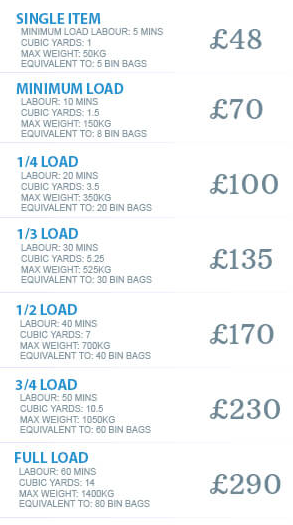
 Tipper Van - Rubbish Removal and Waste Collection Prices in Dulwich, SE21
 Luton Van - Rubbish Removal and Waste Collection Prices in Dulwich, SE21