Our Certified Rubbish Removal Team: Why Proper Licensing Matters
Posted on 02/02/2026
Our Certified Rubbish Removal Team: Why Proper Licensing Matters
If you've ever watched a spare room slowly turn into a mountain of boxes, or stared at a muddy pile of builder's waste after the last tradesperson left, you'll know: rubbish removal isn't just about hauling stuff away. It's about trust, legal compliance, and protecting your home, business, and the environment. Our certified rubbish removal team exists for that exact reason. We're licensed, audited, and proud to show our paperwork because--truth be told--proper licensing matters more than most people realise.
Why? Because choosing the wrong operator can cost you more than the job itself. In the UK, if your waste gets fly-tipped, you could be held responsible. Scary, yes, but totally avoidable. That's why this guide goes deep into what licensing means, how to check it, and how a genuinely certified team keeps you safe--from fines, from hassle, from the feeling that something might not be right.
Ever tried clearing a room and found yourself keeping everything "just in case"? Yeah, we've all been there. Consider this your friendly nudge and expert handbook: a smart, practical walkthrough from a team that's carried sofas down narrow terraces in the rain, navigated London's one-way systems at rush hour, and delivered compliant disposal routes you can be proud of.
Why This Topic Matters
"Our Certified Rubbish Removal Team: Why Proper Licensing Matters" isn't just a catchy line--it's the backbone of responsible waste management. Licensed rubbish removal protects you from legal trouble, ensures waste is treated correctly, and directly supports local recycling targets. To be fair, it's not glamorous. You won't frame a Waste Transfer Note on your wall. But when you need it, it's priceless.
In England alone, there were around 1 million fly-tipping incidents reported in recent years--piles of mattresses on laybys, black bags tossed into alleyways, construction rubble dumped by the roadside. Fines for householders can run up to hundreds of pounds via fixed penalty notices (often ?200-?400), and for serious offences, the penalties can be much higher. The bad news? If your rubbish was collected by an unlicensed carrier and later fly-tipped, the authorities may knock on your door. The good news? It's easy to avoid with a certified, fully licensed team.
Think of licensing as your safety net. It means we're registered with the Environment Agency (or relevant UK body), trained on the Duty of Care Code of Practice, insured for the job, and connected to audited recycling and disposal facilities. In our experience, clients sleep better knowing there's a clear paper (and digital) trail proving exactly where their waste went.
One small, human moment: a homeowner once handed us a box of old cookbooks and paused. "These fed a lot of friends," she said, smiling. We separated the reusable ones for donation and recycled the rest. Proper licensing isn't only about rules; it's about doing right by people and their things.
Key Benefits
Choosing a certified rubbish removal team offers tangible, practical benefits. Here's what you actually get:
- Legal Protection: Our valid waste carrier registration and Waste Transfer Notes safeguard you under the UK's Duty of Care. If anyone asks "Where did it go?", we can show the exact chain of custody.
- Verified Recycling Routes: We partner with audited transfer stations that provide reliable recycling and recovery rates. Clean, clear, calm. That's the goal.
- Insurance and Risk Management: Fully insured operations (public liability, employers' liability) mean your property and our crew are protected. Accidents are rare, but things happen--legitimate cover matters.
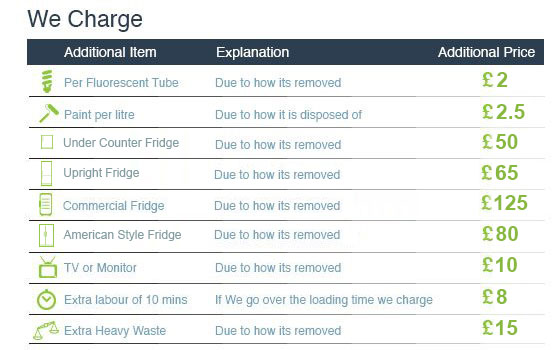
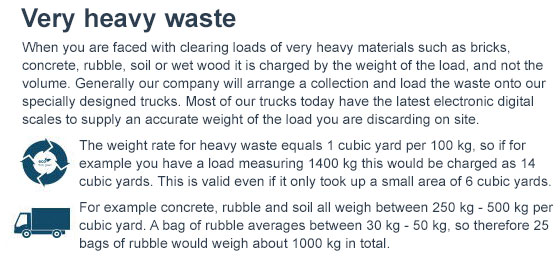
- Transparent Pricing: Licensed carriers itemise costs fairly--labour, transport, disposal fees (including Landfill Tax where applicable), and specialist streams like WEEE or hazardous waste.
- Compliance with Specialist Waste Rules: From electricals (WEEE) and batteries to paint tins, tyres, or fridges--we process items under the correct streams, with appropriate documentation.
- Reduced Environmental Impact: Correct segregation prevents recyclable materials from being contaminated and dumped. You'll notice the difference over time.
- Professional Standards: Uniformed teams, ID badges, punctual arrivals, tidy working--small details that signal a serious, ethical operation.
And yes, there's peace of mind. When your garage finally echoes again, you'll feel it: a lightness, a little more space to breathe.
Step-by-Step Guidance
Here's how to hire the right people and ensure everything runs smoothly--from the first call to the final sweep-up.
1) Verify the Licence--Always
- Ask for their waste carrier number. In England, this is registered with the Environment Agency. In Scotland it's SEPA, in Wales it's NRW, in Northern Ireland it's DAERA.
- Check the public register:
- Confirm it's "Upper Tier" for commercial removals. Lower tier is for certain specific activities and not appropriate for most collections.
- Ask for proof of insurance. A reputable team will send a PDF in minutes.
Quick micro-moment: a client once messaged at 9 pm asking for our licence details before a morning clear-out. We sent the link, their shoulders dropped, and the job ran like clockwork.
2) Book a Survey or Share Clear Photos
- Volume estimate: Photos help us estimate cubic yards/metres. We'll note access issues (stairs, tight corners, residents' parking), and any heavy or specialist items.
- Waste streams: Separate general waste from recyclables, WEEE, and hazardous items. It keeps costs honest and compliance tight.
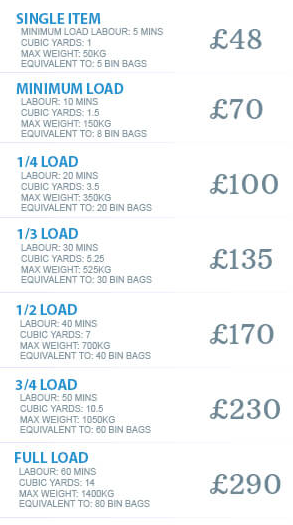
- Get a clear quote: Look for line items--labour, disposal, any out-of-hours or parking charges, and specialist handling fees where relevant.
3) On the Day: Safe, Tidy, Compliant
- ID and arrival time: We text updates en route. Simple courtesy, big difference.
- Site walk-through: You point, we plan. We'll suggest a removal order to minimise disturbance and keep walkways clear.
- Segregation: Our crew sorts recyclables, WEEE, and general waste into separate containers. Less cross-contamination, higher recycling rates.
- Documentation: You receive a Waste Transfer Note (WTN) or Hazardous Waste Consignment Note when required.
4) Aftercare: Paper Trail and Peace of Mind
- Digital WTN: Keep it for at least two years (businesses must do this). We store copies too--belt and braces.
- Recycling summary: On request, we provide disposal site details and indicative recycling percentages from the facility.
- Feedback: Anything we could improve? We take it seriously; it's how we keep standards high.
It was raining hard outside that day. The last bag went on the truck, we swept, and the client stepped into a hallway that smelled faintly of fresh air and floor cleaner. Little wins.
Expert Tips
- Don't be swayed by the cheapest quote. If it's suspiciously low, ask: are disposal fees and Landfill Tax accounted for? What about WEEE or mattresses, which often carry surcharges? What if the cheapest quote costs you a fine later? It happens.
- Ask for the destination. "Which transfer station or MRF will you use?" A professional will name it and share a permit number if you want.
- Photograph your waste pre-collection. If a dispute ever arises, you'll have a quick record of what was taken and in what condition.
- Label sensitive items. For old PCs, hard drives, or paperwork, make sure the team offers data-secure WEEE processing. Certificates of data destruction are available.
- Time your collection. Early morning slots are calmer for flats with shared hallways; midweek can be quieter for central London access. Less stress for everyone.
- Use reusable crates when you can. We're happy to decant materials into stackable crates and return them. Tiny tweak, big impact.
- Mind asbestos and hazardous materials. If you suspect asbestos (textured coatings, old pipe lagging, cement sheets), stop. Get a survey and use a licensed asbestos contractor. No exceptions.
- Keep your own micro-checklist. Licence ? Insurance ? WTN ? Destination ? Fees ? Photos ?. Simple, tidy, safe.
A small aside: we've carried sofas down 4 flights of stairs without touching a painted wall--mostly. Slow and steady wins.
Common Mistakes to Avoid
Even smart people get tripped up. Here are the pitfalls we see most often with rubbish removal services.
- Hiring without checking the licence. It takes 30 seconds to verify. Skipping this is like letting anyone drive your car without a licence.
- No paperwork. If you don't receive a Waste Transfer Note for non-hazardous waste (or a Hazardous Waste Consignment Note where applicable), that's a red flag.
- Ignoring specialist waste rules. Fridges, TVs, fluorescent tubes, paint, chemicals, batteries--these need special handling. Don't lump them into general waste.
- Underestimating volume. Photos help; a quick video is even better. Underestimates lead to awkward on-the-day price changes.
- Not planning access. Provide details on parking, lift access, key codes, or concierge contact. Saves time, reduces stress.
- Going too cheap. If it sounds too good, it probably is. Proper disposal costs money--licensed teams budget for it.
- No insurance backup. Accidents are rare but possible. Legitimate insurance is non-negotiable.
One more human truth: it's tempting to look the other way when someone says "cash, no questions." That's not a service; that's a risk. Avoid it.
Case Study or Real-World Example
Case 1: The Cost of Cutting Corners
A landlord in South London hired a cheap, unlicensed collector to clear post-refurbishment waste--old cabinets, plasterboard, timber offcuts. Two days later, the council traced fly-tipped materials back to him via delivery labels found in the pile. He received a ?400 fixed penalty under the householders' Duty of Care and had to pay again for a proper clearance. Double hit. He told us, "I thought I'd saved ?150. I didn't."
Case 2: Licensed Team, Smooth Sailing
A busy cafe in East London called us to clear a storeroom: broken fridges (WEEE), cardboard mountains, and some tired chairs. We verified access times (to avoid morning rush), separated WEEE, issued a WTN, and supplied a certificate of secure data wipe for a till PC. The cafe owner later emailed, "Loved the calm efficiency, and the paperwork saved me hours." You could almost smell the cardboard dust in the air when we started--by the end, it smelled like fresh espresso again.
Moral of the stories? A certified rubbish removal team with proper licensing doesn't just take waste--it takes worry away.
Tools, Resources & Recommendations
- Environment Agency Public Register (England): Search waste carriers, brokers and dealers.
- SEPA (Scotland) Register: Check a waste carrier.
- NRW (Wales) Register: Check licences.
- DAERA (Northern Ireland): Waste carriers info.
- Duty of Care Code of Practice (England): Published guidance on managing waste responsibly and keeping records.
- WEEE Guidance: Rules for electrical and electronic equipment disposal and producer responsibilities.
- Local Council bulky waste pages: For small-volume collections or subsidised options. Useful if you're not in a hurry.
- Skip vs. Man & Van calculator: Consider access, permits, and the mix of waste. For tight city streets, man & van is often cleaner and faster.
- Apps and digital WTNs: Keep your records tidy and accessible. We offer digital WTNs to simplify audits.
Recommendation in one line: if a carrier can't tell you where your waste is going, don't let them take it. Simple.
Law, Compliance or Industry Standards (UK-focused)
When we say "Our Certified Rubbish Removal Team: Why Proper Licensing Matters," we mean it in the strict legal sense. Here are the essentials, in plain English.
- Environmental Protection Act 1990, Section 34 (Duty of Care): Anyone who produces or handles waste must take reasonable steps to ensure it's managed properly. That includes checking your carrier's registration and keeping transfer notes.
- Waste (England and Wales) Regulations 2011 (as amended): Embed the waste hierarchy--prevent, reuse, recycle--into decision making. Expect carriers to show how they apply it.
- Duty of Care Code of Practice (2018): Practical guidance on describing waste accurately, using the right containers, and retaining records. Businesses should keep WTNs for at least two years.
- Waste Carrier, Broker and Dealer Registration: Upper Tier registration is required for most commercial collections. Always verify status and expiry.
- Hazardous Waste Regulations: Certain items (e.g., fluorescent tubes, some paints, oils, chemicals) require a Hazardous Waste Consignment Note and must be transported to a permitted site.
- WEEE Regulations: Electrical and electronic equipment must be collected and processed under WEEE rules; data-bearing devices should be wiped or destroyed under recognised standards.
- Landfill Tax: Disposal costs include UK Landfill Tax (standard rate--over ?100 per tonne in recent years; lower rate for specific inert waste). This influences pricing and incentivises recycling.
- Asbestos: Only licensed asbestos contractors may handle asbestos materials. Don't try to include suspected asbestos in general rubbish; it's dangerous and illegal.
- Local Council Enforcement: Councils can issue fixed penalty notices to householders who fail the Duty of Care. Keep your WTN, and you're covered.
We follow these to the letter. To be honest, it's a lot of paperwork. But it protects you, and it protects the planet.
Checklist
Print it, save it, or screenshot it--this is your quick "no-regrets" list.
- Verify licence: Carrier number checked against the official register.
- Confirm insurance: Public liability and employers' liability in place.
- Get a written quote: Clear on labour, transport, disposal, specialist items.
- Identify special waste: WEEE, fridges, batteries, paint, chemicals, tyres, fluorescent tubes.
- Plan access: Parking, lifts, codes; notify concierge or neighbours if helpful.
- Separate streams: Recyclables, general waste, WEEE, hazardous.
- Receive your WTN: Keep it safely (at least two years for businesses).
- Know the destination: Ask which facility will receive your waste.
- Confirm time & conduct: Uniformed crew, ID, tidy work, sweep-down.
- Aftercare: Digital paperwork and any recycling summary you need.
Tick these off and you're golden.
Conclusion with CTA
Proper licensing isn't red tape--it's your shield. It protects you from fines, defends your reputation, and ensures your waste gets handled with care and respect. When you choose a certified rubbish removal team, you're choosing clarity over guesswork, and integrity over shortcuts. "Our Certified Rubbish Removal Team: Why Proper Licensing Matters" isn't a slogan; it's a promise we keep, job after job, rain or shine.
If you're staring at a cluttered loft, an office refit pile, or just that awkward stack of garden waste--take the easy, safe route. We'll handle the heavy lifting and the paperwork, and we'll do it properly.
Get a free quote today and see how much you can save.
And when the space is clear and quiet again, you'll feel it. A little peace, a little pride. Onward.


 Tipper Van - Rubbish Removal and Waste Collection Prices in Dulwich, SE21
 Luton Van - Rubbish Removal and Waste Collection Prices in Dulwich, SE21