How to Prepare for Rubbish Removal: A Step-by-Step UK Guide
Posted on 10/02/2026

How to Prepare for Rubbish Removal: A Step-by-Step UK Guide
You've decided it's time. The loft that groans under old boxes, the spare room that's quietly turned into a jumble cave, or the garden corner with the deflated paddling pool and a rusty lawnmower - all of it. Today, you get rid. But rubbish clearance isn't just about pointing at stuff and saying "that one." A smooth, legal, cost-effective removal needs a little prep. The kind of prep that saves you money, stress, and time.
In our experience clearing thousands of homes and offices across the UK, a well-prepared customer can cut collection time by half, reduce disposal costs, and avoid awkward surprises (like the fridge that suddenly counts as hazardous). This expert, human-first guide walks you through exactly how to prepare for rubbish removal - from sorting and safety to legal compliance and smart booking strategies. Practical. Honest. UK-specific. And yes, we'll keep it friendly.
You might even enjoy the clear-out. Clean, clear, calm. That's the goal.

Why This Topic Matters
Let's be honest: rubbish removal seems simple until it's not. You think it's just a quick clear-out, but then you find the old paint tins (are they hazardous?), the crumbling sofa (POPs-compliant disposal is a thing), and the hefty wardrobe that needs two people and a tight staircase manoeuvre. Without preparation, costs creep, time drags, and in the worst cases, your waste ends up fly-tipped - and you're still responsible under UK law.
Preparing properly for rubbish removal means:
- Protecting yourself and your property (gloves on, floors covered, neighbours informed).
- Getting better quotes and avoiding overpaying for waste removal.
- Keeping things legal - checking the carrier is licensed and getting the right paperwork.
- Maximising reuse and recycling so more items find a second life and less ends up as landfill.
One small human moment: a customer in Bristol once told us the moment the last bag left her hallway, the house "felt like it could breathe again." You could almost smell the cardboard dust lift from the air. It's more than rubbish; it's clarity.
Key Benefits
When you follow this How to Prepare for Rubbish Removal: A Step-by-Step UK Guide, here's what you actually get:
- Cost control: Accurate volume estimates, separate heavy from light waste, and reduce labour time.
- Legal confidence: Duty of Care satisfied, Waste Transfer Notes in hand, no risk of fines for dodgy disposal.
- Faster collections: Crews in and out efficiently, minimal disruption to your day (and your street).
- Higher recycling rates: Sorted streams often reach 80-95% recycling with reputable carriers.
- Less stress: A plan, a date, a tidy space - simple.
- Safety: Proper lifting, protected surfaces, no broken glass in a thin bin bag (we've seen it, ouch).
Truth be told, the difference between a "chaotic clear-out" and a "clean sweep" is preparation. It's that simple.
Step-by-Step Guidance
This is your practical, boots-on-the-ground process to prepare for rubbish clearance - from studio flats to large office fit-outs. We'll keep it clear and UK-specific.
Step 1: Define the scope and goals
Ask yourself: What exactly are you clearing, and why now? Whole house? Just the shed? A post-renovation builders' waste run? Write it down and walk each area. Take quick phone photos and short videos - they'll help when getting quotes. Ever tried clearing a room and found yourself keeping everything? It helps to set firm rules: keep, donate, sell, recycle, dispose.
- Pro tip: Label zones with sticky notes: Keep, Donate, Sell, Waste. It speeds up decisions.
- Micro moment: You pick up a mug from uni. Cracked, but memories. If it slows you down, set aside a "maybe" box and revisit at the end - gently.
Step 2: Sort at the source
Separate into broad categories. The more you sort now, the less you pay later.
- Reusable/resale: Good-condition furniture, working electronics, baby gear (safety-checked), books.
- Recyclables: Cardboard, paper, metals, glass, selected plastics.
- WEEE (electricals): TVs, computers, kettles, fridges/freezers - regulated under WEEE rules.
- Garden waste: Soil, turf, branches (heavy! keep separate), green waste.
- Builders' waste: Rubble, tiles, plasterboard (must be separated), timber.
- Hazardous/special items: Paint, chemicals, fluorescent tubes, asbestos, gas bottles, batteries.
- Upholstered seating: Sofas, armchairs, beanbags may contain POPs - special handling required.
Why sort? Disposal is charged by weight and type. Plasterboard must be separate. Rubble is dense. Upholstered seating has strict disposal rules. Sorting saves cash and headaches.
Step 3: Measure volumes (and weights)
Most man-and-van rubbish removal services price by cubic yards and weight allowances. As a rough guide:
- 1 cubic yard ? a standard household wheelie bin or a washing machine size.
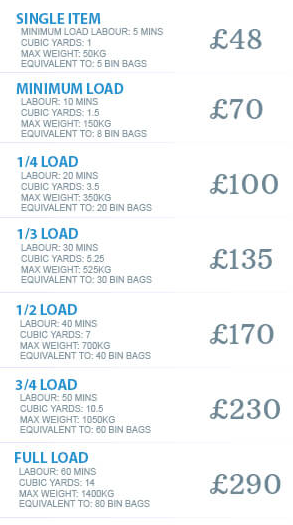
- Quarter load ? 3-4 cubic yards; half load ? 6-8; full load ? 12-14 (varies by vehicle).
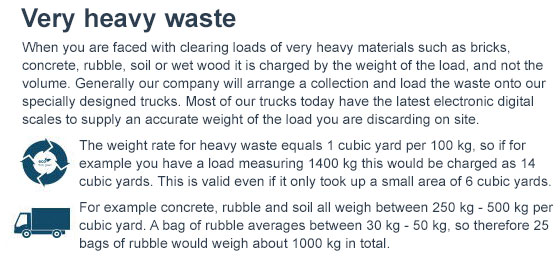
- Heavy waste (rubble/soil) is sometimes charged per bag or per tonne for safety reasons.
Use your photos and measurements when asking for quotes. To be fair, estimations are rarely perfect - but they're good enough to get a transparent price range.
Step 4: Decide the best route: skip hire vs man & van vs council collection
Each option has its place:
- Man & van rubbish removal: Flexible, fast, crew does the lifting. Great for mixed waste, house clearances, no need for a permit. Same-day possible.
- Skip hire: Best for steady clear-outs over days, heavy builders' waste, and when you can load at your own pace. May need a council permit if placed on the road.
- Council bulky waste: Budget-friendly for a few large items; longer lead times; limited items per booking; not suitable for full clearances.
Note for London: Consider parking, ULEZ/LEZ charges for trucks, and bay suspensions if access is tight. A quick chat with your removal provider. Saves drama on the day.
Step 5: Book a licensed waste carrier (and check them!)
Always book a company registered as a Waste Carrier, Broker or Dealer with the Environment Agency. Ask for their registration number and check it on the public register. No number, no booking - simple as that.
- Ask for: Company name, registration number, insurance (public liability), and a written quote.
- Confirm: Will they provide a Waste Transfer Note (WTN) on collection? You need it for your Duty of Care.
- Red flags: Cash-only, suspiciously cheap, no paperwork, unwilling to show licence.
Yeah, we've all been there - the "mate with a van" offer. But if your waste is fly-tipped, it can be traced back to you. Not worth it.
Step 6: Plan access and protection
Clear a path from each room to the exit. Protect door frames and floors with blankets or cardboard. Reserve parking. Inform neighbours if hallways or shared spaces might be briefly blocked. If you're in a flat, check lift dimensions and restrictions.
- Gear up: Gloves, sturdy shoes, dust masks for dusty lofts, and good lighting.
- Pets & kids: Keep them out of the way during the collection window.
- Time anchor: It was raining hard outside that day; the runner mats saved a soaked carpet. Worth it.
Step 7: Prepare items for quick lifting
Disassemble bulky furniture where possible. Bag loose items. Tape cable ends. Drain appliances (defrost fridges/freezers 24 hours early and keep doors open to avoid odour). Keep heavy bags to a manageable 15-20 kg - your back will thank you.
- Plasterboard: Bag and label separately.
- Rubble/soil: Use tough rubble sacks and keep bags light.
- Documents: Shred personal data; bag separately for confidential shredding if needed.
Step 8: Photograph and list the load
Take clear photos of everything to go, including any tricky access (narrow stairs, low ceilings). Make a short list of special items (fridge, sofa, TV, paint). Send this ahead to your provider for a firm price and suitable vehicle/crew. No surprises, no awkward sighs on the day.
Step 9: Confirm the schedule and paperwork
48 hours before collection:
- Confirm date/time window and access instructions.
- Share parking details and building entry codes where relevant.
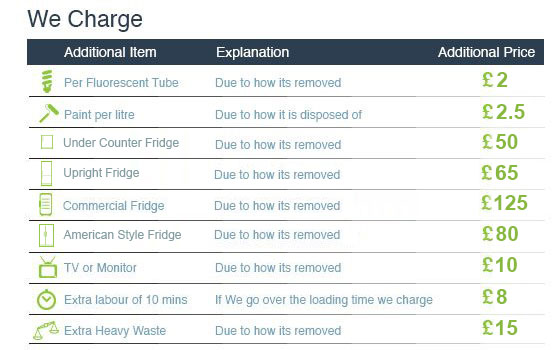
- Agree on price bands and any surcharges (e.g., fridges, mattresses).
- Request a sample Waste Transfer Note template so you know what you'll receive.
Small human note: A quick text the night before saying "parking space reserved by the red Mini" has saved many a crew a 20-minute hunt. Little things.
Step 10: Collection day - supervise and sign
Walk the crew through the items, highlight hazards, and confirm what's staying (you'd be surprised how often a loved lamp gets loaded by mistake). Check the final price before loading, or at least before signing paperwork. Receive your Waste Transfer Note, and if relevant, a receipt or disposal summary.
And breathe. The space is yours again.
Expert Tips
- Bundle by material: Keeping metals, wood, cardboard separate often reduces disposal fees and boosts recycling.
- Time your booking: Mid-week, mid-month slots can be cheaper. End-of-month and weekends are peak for house moves.
- Two quotes minimum: Ask for inclusive pricing (labour, disposal, WEEE surcharges, parking/ULEZ if applicable).
- Reuse first: Offer quality items to neighbours via local groups or charity shops (check acceptance lists first). Feels good, genuinely.
- Mind the POPs: Sofas and upholstered seating disposal changed - ensure your provider handles POPs-compliant processing.
- Heavy loads = caution: Soil, concrete, tiles - consider a skip or multiple man & van trips with strict weight limits.
- Photos are your friend: Five angles beat 500 words when seeking a fixed quote.
- Protect the path: Old bed sheets, cardboard, or ram board save floors and time cleaning later.
- Data security: For office clearances, specify certified data destruction for drives and documents.
- Rain plan: Tarps and plastic sheeting on standby. Wet cardboard weighs more and costs more. Silly but true.
Ever noticed how prepared days just... flow? That's the point. Less faff, more progress.
Common Mistakes to Avoid
- Booking unlicensed carriers: If they fly-tip, you're still liable. Always check the Waste Carrier licence.
- Hiding hazardous items: Paint, chemicals, asbestos - these require special handling. Concealing them risks refusal and extra charges.
- No access plan: Stuck trucks, no parking, locked alleys - you'll lose your slot and may pay a call-out fee.
- Overloading bags: A rubble sack that takes two to lift is an injury waiting to happen. Keep it sensible.
- Assuming all items are accepted: Fridges, mattresses, tyres, gas bottles often need pre-approval or carry surcharges.
- Last-minute sorting: Live sorting during collection doubles labour time. Do it the day before.
- Skipping paperwork: No WTN, no proof. Keep it for two years - protect yourself from future queries.
- Not checking POPs rules: Domestic upholstered seating now has strict disposal requirements - reuse/repair options are limited.
Small aside - it's kinda wild how often the "mystery tin" of unknown fluid appears on collection day. Label early, dispose correctly.
Case Study or Real-World Example
Scenario: 3-bed semi in Croydon, pre-sale declutter and garden tidy-up. Customer working full time, wants it done in a single afternoon, legally and without upsetting the neighbours.
- Load: Mixed household items (wardrobe, two chests, 15 bags of general waste), WEEE (microwave, TV), garden waste (10 rubble sacks of soil/green), one sofa, assorted cardboard.
- Prep they did: Measured parking, reserved a space with cones, pre-bagged small items, disassembled wardrobe, separate piles: recyclables, WEEE, POPs sofa.
- Access: Narrow front door, two bends in the hallway; ground floor only.
- What we planned: 2-person crew, 3-hour slot, 14-cubic-yard truck with POPs-compliant stream for the sofa, WEEE segregation, extra sacks for soil.
- Timing: 2 hours 15 minutes onsite thanks to clear sorting and access protection.
- Recycling rate: 88% by weight (cardboard, metals, WEEE recycled; sofa processed in line with POPs guidance).
- Costs: Transparent, pre-agreed banding; no surcharges beyond noted items. The customer avoided a second visit by keeping heavy soil separate.
Human moment: The rain started halfway in. The homeowner had set aside towels and a spare doormat - a tiny kindness that kept the place spotless. You could almost hear the sigh of relief when the lounge finally opened up.
Tools, Resources & Recommendations
- Environment Agency public register: Check Waste Carrier, Broker or Dealer registration before booking.
- Local council: Bulky waste collection, HWRC (Household Waste Recycling Centre) rules, and skip permits if placing on a public road.
- Charity and reuse networks: Consider furniture charities (check for fire labels), community exchange apps, and repair cafes for small appliances.
- Rubbish removal apps and services: Compare man & van providers by licence, reviews, and disposal approach.
- Safety gear: Heavy-duty gloves, P2 dust masks for lofts, rubble sacks, moving blankets, and floor protectors.
- Weighbridge or volume guides: Handy for builders' waste and renovation projects to estimate tonnage.
- Data destruction: Certified shredding for documents and IT asset disposal for drives and servers.
Quick nudge: a ?10 pack of rubble sacks and tape can save you ??? in labour time. Small outlay, big payoff.
Law, Compliance or Industry Standards (UK-focused)
Waste rules matter - for the planet and your wallet. Here's the simple, accurate version of what householders and businesses need to know in the UK.
- Duty of Care (Environmental Protection Act 1990, s34): You must take all reasonable steps to ensure your waste is transferred only to an authorised person and is managed properly. For businesses, this is ongoing; for householders, it's about choosing a licensed carrier and keeping paperwork.
- Waste Carrier Registration: Anyone transporting waste for profit must be registered as a carrier (upper-tier) with the Environment Agency (or equivalents in Scotland/Northern Ireland).
- Waste Transfer Note (WTN): Required for every non-hazardous waste transfer between parties. It records what, where, and by whom. Keep it for at least two years (businesses must keep records; smart for householders too).
- Hazardous waste: Certain items (e.g., chemicals, fluorescent tubes, some paints) need special handling and consignment notes. Ask your provider.
- WEEE Regulations: Electricals must be collected and processed separately; fridges/freezers require degassing in licensed facilities.
- POPs (Persistent Organic Pollutants) in upholstered domestic seating: From recent guidance, many sofas/armchairs must be processed in specific facilities - reuse/recycling routes are restricted. Ensure your carrier is compliant.
- Fly-tipping penalties: Householders can receive Fixed Penalty Notices (often up to ?400) for failing Duty of Care; serious offences carry heavy fines and potential prosecution.
- Skips on the highway: Require council permits; in London, bay suspensions are often needed. Night lights/cones may be required under local rules.
- Data protection (UK GDPR): If you're disposing of personal data, you must ensure secure destruction - this is vital for businesses and professionals working from home.
- Asbestos: Strictly controlled under the Control of Asbestos Regulations. Do not disturb; use licensed contractors for survey and removal.
One line of comfort: once you've picked a licensed, reputable provider and kept your WTN, you've done the heavy legal lifting correctly.
Checklist
Use this fast, no-faff checklist to prepare for rubbish removal day.
- Scope set: Rooms/areas listed; photos taken.
- Sort done: Keep/Donate/Sell/Recycling/Waste clearly separated.
- Special items flagged: Fridge/freezer, TV, paint, chemicals, batteries, gas bottles, POPs sofa, plasterboard, rubble.
- Volumes estimated: Cubic yards noted; heavy waste separated.
- Service chosen: Man & van vs skip vs council - decision made.
- Carrier checked: Waste Carrier registration verified; insurance confirmed.
- Paperwork ready: WTN requested; hazardous consignment if needed.
- Access planned: Parking reserved, lifts measured, floors protected, pets safe.
- Items prepped: Furniture disassembled; bags sealed and sensibly weighted.
- Day-before message: Quick confirmation sent; weather watched; tarps ready.
Stick this on the fridge, tick it off, and you'll be golden.
Conclusion with CTA
Preparing for rubbish removal isn't glamorous, but it's empowering. A few calm decisions, a bit of sorting, and the right licensed partner - that's the recipe. Whether you're clearing a single sofa or an entire house, this How to Prepare for Rubbish Removal: A Step-by-Step UK Guide gives you control, clarity, and confidence. Clean space, clear head.
Get a free quote today and see how much you can save.
And when the last bag goes and the room falls quiet for a moment - enjoy it. You've made space for the next chapter.


 Tipper Van - Rubbish Removal and Waste Collection Prices in Dulwich, SE21
 Luton Van - Rubbish Removal and Waste Collection Prices in Dulwich, SE21