How to Ensure Your Rubbish Removal Is Both Safe and Compliant
Posted on 14/03/2026
How to Ensure Your Rubbish Removal Is Both Safe and Compliant
Rubbish removal seems simple--until it isn't. You start with a few black bags and, before you know it, you're wrestling an old fridge down the stairs, wondering if a skip needs a permit, and whether that box of batteries counts as hazardous waste (it does). In the UK, safe and compliant rubbish clearance isn't just good practice--it's a legal obligation. And it's the difference between a smooth clear-out and an expensive, stressful mess. Let's make sure yours is the former.
In our experience managing hundreds of household and commercial clearances across London and the South East, the same questions come up again and again: What exactly are my legal duties? How do I avoid fly-tipping liability? Who's allowed to take my waste? And how do I keep everyone safe while doing it? This long-form guide answers those questions and more--with practical steps, UK-specific regulations, and honest, local know-how. You'll find everything you need to ensure your rubbish removal is both safe and compliant, without the jargon.
Picture this: It's raining hard outside, you can almost smell the cardboard dust in the air, and the flat needs to be handed back by 5pm. The last thing you want is a call from the council about a dumped mattress or a pulled muscle because someone skimped on PPE. Clean, clear, calm. That's the goal.
Why This Topic Matters
Let's face it: waste is invisible--until it isn't. The moment bags stack up, odours creep in, or the landlord mentions charges, rubbish becomes very visible indeed. But beyond the mess, there's a bigger picture. Safe and compliant rubbish removal protects people from harm, keeps your neighbourhood tidy, and prevents environmental damage. And under UK law, improper disposal can result in serious penalties--for both businesses and householders.
Ever tried clearing a room and found yourself keeping everything "just in case"? That moment of hesitation is normal, but it's also where poor decisions happen--rushing, skipping labels, mixing hazardous materials with regular waste. The UK's waste rules exist to stop those small mistakes from becoming big problems.
Micro moment: A client in Camden once said, "I didn't think a TV counted as hazardous until it cracked in the lift." The smell of scorched electronics and the panic that followed? Not worth it.
Key Benefits
Getting your waste clearance right pays off. Here's what you gain when you prioritise safe and compliant rubbish removal:
- Legal protection: Avoid fines, prosecution, or enforcement action. In England and Wales, fly-tipping can lead to unlimited fines and even imprisonment.
- Fewer accidents: Proper lifting, sorting, and PPE reduces injuries--from back strains to cuts and needle sticks.
- Lower costs over time: Efficient sorting means more recycling and reuse, fewer mixed loads, and less weight-based disposal fees.
- Better environmental outcomes: Diverting materials from landfill reduces emissions, conserves resources, and feels good. Because it is good.
- Reputation and trust: For businesses, compliance demonstrates corporate responsibility. Tenants and landlords notice.
- Operational clarity: A documented process creates consistency--useful for audits, tenders, and insurance.
Truth be told, it's not just about ticking boxes. It's about sleeping well knowing your waste has gone where it should, legally and safely.
Step-by-Step Guidance
Here's a clear, practical pathway to ensure your rubbish removal is both safe and compliant in the UK--whether you're a householder, facilities manager, or small business owner.
1) Identify Your Waste Types
Before you touch a bag, know what you've got. UK regulations hinge on classification. Common categories:
- General (non-hazardous) waste: Mixed household/office waste, packaging, non-recyclable materials.
- Recyclables: Paper, cardboard, glass, metal, certain plastics (sorted by local authority/processor rules).
- Hazardous waste: Batteries, solvents, paints, chemicals, fluorescent tubes, certain adhesives, asbestos, pesticides.
- WEEE (electricals): TVs, monitors, laptops, kettles, cables, fridges and freezers (note F-gas handling).
- Bulky items: Mattresses, sofas (consider fire-resistant foam), wardrobes.
- Green waste: Garden cuttings, soil (may contain contamination).
- Clinical/biological risk: Needles/sharps, medical waste--requires specialist handling.
Micro moment: You lift a crate and hear the light rattle of mixed batteries--AA, coin cells, maybe a vape battery hiding at the bottom. That's your cue to separate immediately.
2) Assess Risks and Plan the Work
Under the Management of Health and Safety at Work Regulations 1999, you should complete a basic risk assessment--especially for commercial jobs. Consider:
- Access: Stairs, lifts, narrow hallways, parking restrictions (think: London red routes, ULEZ).
- Manual handling risks: Weight, awkward shape, slippery conditions, weather.
- Exposure risks: Dust, mould, sharps, chemicals, noise.
- Segregation: Keeping recyclables and hazardous materials separate.
- Equipment needs: Trolleys, dollies, straps, shovel, broom, rubble sacks, spill kit.
- Emergency plan: First aid, eyewash, sharps response, who to call.
We write it down, even briefly. Because written plans stop on-the-day guesswork, which is where things go wrong.
3) Gather the Right PPE and Equipment
For most clearances you'll want:
- Gloves: Cut-resistant for bulky items; nitrile for liquids and general handling.
- Footwear: Steel-toe or sturdy boots with grip. Wet alleys and steep steps happen.
- Eye protection: Especially when breaking down items.
- Masks/respirators: If dust, mould, or chemicals are present (check COSHH).
- Hi-vis and weather gear: Dark winter mornings, roadside loading--visibility matters.
- Handling kit: Sack trucks, furniture sliders, ratchet straps, moving blankets.
- Sharps kit: If there's any risk--carry a proper approved sharps container.
Micro moment: The soft thud of a full contractor bag landing on a moving blanket feels reassuring--much better than the clatter of a suitcase handle snapping mid-carry. Been there.
4) Choose a Licensed Carrier or the Right Disposal Route
Always use a licensed waste carrier, broker, or dealer (Environment Agency in England; SEPA in Scotland; Natural Resources Wales; NIEA in Northern Ireland). Ask for their waste carrier registration number and check it on the public register. If they can't show it, don't hand over your waste.
Other routes:
- Civic amenity sites / Household Waste Recycling Centres: Check ID requirements, vehicle restrictions, and waste types accepted.
- Skip hire: Requires space and, on public roads, a local council permit plus lights and cones. No hazardous waste in general skips.
- Producer take-back schemes: For WEEE or mattresses/sofas where retailers offer disposal.
- Re-use: Charities (e.g., British Heart Foundation for furniture/electricals), Furniture Reuse Network members, local community groups.
Pro tip: If a carrier's price seems unrealistically low, assume corner-cutting. You're still liable if your waste ends up fly-tipped.
5) Keep the Right Documentation
Compliance lives or dies on documentation. You'll usually need:
- Waste Transfer Note (WTN): For non-hazardous waste transfers--keep for at least 2 years.
- Consignment Note: For hazardous waste--keep for at least 3 years.
- Proof of carrier registration: Copy or reference number from the Environment Agency register.
- Invoices and weighbridge tickets: Useful for audits and demonstrating lawful disposal.
For regular collections, use a season ticket WTN covering repeated transfers over a set period, provided the waste type and parties don't change.
6) Segregate at Source
Separate as you go. It's faster, safer, cheaper:
- Keep paper and cardboard dry and clean for recycling.
- Bag soft furnishings to avoid tears and fibres shedding.
- Place batteries and small electronics in a sturdy, clearly labelled container.
- Isolate liquids/paints in leak-proof tubs with absorbent material.
- Do not mix hazardous items with general waste--ever.
Micro moment: The gentle clink of glass jars in a separate crate is oddly satisfying--and it means recycling value stays intact.
7) Handle Special Waste Correctly
- Fridges/freezers: Require specialist removal due to refrigerants (F-gases). Don't tip or damage lines.
- Asbestos: Stop work. Engage a licensed asbestos contractor under the Control of Asbestos Regulations 2012.
- Paints/solvents: Treat as hazardous unless labelled otherwise. Store upright; check for local disposal routes.
- Fluorescent tubes: Contain mercury--use intact tube boxes or sleeves.
- Sharps/clinical waste: Specialist collection only--use UN-approved containers.
- Data-bearing items: Shred paper to appropriate security level; wipe or physically destroy hard drives. GDPR applies.
8) Lift and Move Safely
Manual handling is where most injuries happen. Under the Manual Handling Operations Regulations 1992, reduce risk by:
- Testing the load first--if in doubt, two-person lift.
- Keeping the load close to your body, bend knees, avoid twisting.
- Using mechanical aids--dollies, straps, sliders--for awkward items.
- Planning the route--clear tripping hazards and mind door frames.
It's tempting to rush in the last hour. Don't. A pulled back will cost you more time than a second trip.
9) Transport Wisely
Secure loads to prevent spillage under the Road Traffic Act and general duty of care. Use sheets or nets on open vehicles. Keep hazardous materials upright and labelled; if carrying dangerous goods above thresholds, ADR/CDG rules apply.
10) Verify the Final Destination
Ask where your waste is going--materials recovery facility, transfer station, WEEE processor, re-use outlet. Reputable carriers are happy to tell you. If they're vague, that's a red flag.
11) Keep Records and Review
File WTNs, consignment notes, and invoices. For businesses, review monthly or quarterly: diversion rates, costs, incidents, near misses. Tweak the plan. Continuous improvement isn't just a slogan--it saves money.
Expert Tips
These are the practical, slightly unglamorous details that separate decent clearances from great ones.
- Label on the fly: Keep a marker pen and tape in your pocket. Quick labels stop costly mistakes later.
- Bag to weight, not to volume: Contractor bags ripped because someone overfilled? Yeah, we've all been there.
- Create a staging area: A clean, dry zone (a tarp on the floor works) where sorted materials can rest before loading.
- Think downstream: If a charity can collect tomorrow, don't bury those items under rubble today.
- Photograph the load: Before and after shots protect you if disputes arise about what was removed and how.
- Time-box decisions: For sentimental items, give yourself two minutes. Keep, donate, or recycle. Move on.
- Use a sharps sweep: In void properties or sheds, do a slow visual sweep before lifting anything.
- Stairs etiquette: Call out turns--"landing", "corner", "step"--so nobody surprises the person below.
- Rain plan: Wet cardboard loses value. If clouds gather over Hackney or Croydon, cover recyclables quickly.
- Audit your providers: Ask carriers for disposal site names and recycling rates. Responsible firms are proud to share.
Micro moment: Cups of tea matter. On winter clearances, that first warm mug at 10:30 keeps the team steady and safe. Small things, big difference.
Common Mistakes to Avoid
Even well-meaning people slip up. Here's what to watch for, so you don't.
- Using an unlicensed carrier: If your waste gets fly-tipped, you can still be prosecuted. Always check the registration.
- Mixing hazardous with general waste: It contaminates the whole load and increases costs and risk.
- Skipping documentation: No WTN? No defence. Keep records neatly filed (digital is fine).
- Overloading bags or vehicles: Burst bags cause injuries; unsecured loads cause road hazards and fines.
- Ignoring local rules: Skips on public roads require permits, lights, and correct placement--or they'll be removed at your cost.
- Forgetting data security: Hard drives and paperwork with personal data must be destroyed or wiped--GDPR penalties aren't fun.
- Underestimating time: Waste sorting always takes longer than you think. Build in contingency.
- Assuming "recyclable" means recycled: Facilities vary; contamination or weather can ruin a load. Protect it.
- Bad lifting technique: The most expensive mistake is the injury you didn't see coming.
- No contingency for surprises: Asbestos tiles, hidden sharps, or a dead appliance can derail the day without a plan.
It's kinda wild how often number 1 and 3 cause all the others. You'll see why the moment someone asks, "Do you have the paperwork?"
Case Study or Real-World Example
Scenario: A 2,500 sq ft office clearance near Old Street, London, with mixed furniture, WEEE, confidential paper, and a tight handover deadline.
Challenges: Third-floor access via lift (occasionally temperamental), limited loading bay, rain in the forecast, and a surprise cupboard of fluorescent tubes.
Approach:
- Pre-site survey: We walked the route, measured lift dimensions, and logged waste streams: 28 desks, 28 chairs, 12 monitors, 7 PCs, 3 printers, 40 archive boxes, 1 fridge, 26 fluorescent tubes.
- Risk assessment: Manual handling, lift failure plan, sharps sweep, COSHH for toner and cleaning products.
- Segregation plan: WEEE pallets for electronics, lockable bins for confidential paper (shredding), cages for chairs/desks, tube boxes for fluorescents, and a separate hazardous consignment for the fridge (F-gas).
- Documentation: WTNs for general and recyclable waste; consignment notes for hazardous streams; certificate of destruction for data.
- Timing: Two teams over one day, with a rain cover strategy to keep cardboard dry.
Outcome: 84% recycling and reuse rate. No injuries, no lift drama (a small miracle), compliant paperwork, and a sparkling handover by 4:15pm. The facilities manager emailed later: "I expected chaos. Instead, it was oddly calm." That calm comes from process.
Micro moment: When the last archive box slid into the shredding bin, there was this soft, papery smell and a quiet nod round the team-- job done, data safe.
Tools, Resources & Recommendations
Here's a curated list of the tools and resources we consistently rely on to keep rubbish removal safe and compliant.
Essential Tools
- Handling: Sack trucks, furniture dollies, stair climbers, ratchet straps, moving blankets.
- PPE: Cut-resistant gloves, nitrile gloves, safety boots, eye protection, FFP3 masks where necessary, hi-vis vests.
- Segregation: Colour-coded bins and bags, battery boxes, WEEE pallets, tube boxes for fluorescents, sharps containers.
- Clean-up: Brooms, dustpans, HEPA vacuum, spill kits, hand sanitiser.
- Admin: Clipboards or a simple app for WTNs/consignment notes, photo log, checklists.
Where to Verify and Learn
- Environment Agency public register: Check waste carrier, broker, or dealer registration.
- Local council websites: Skip permits, HWRC rules, bulky waste collections, and restricted items.
- HSE guidance: Manual handling, COSHH, asbestos, and sharps handling.
- WRAP resources: Best practice on recycling, reuse, and circular economy approaches.
- Furniture Reuse Network and local charities: For donations and reuse routes.
Credentials to look for in a provider: Waste Carrier registration, ISO 14001 (environmental management), ISO 45001 (health & safety), CHAS or SafeContractor accreditation, and transparent reporting on recycling/diversion rates.
Law, Compliance or Industry Standards (UK-focused if applicable)
The UK waste regime is robust. Here are the key laws and standards relevant to safe and compliant rubbish removal. This section isn't legal advice, but it's a solid map.
- Environmental Protection Act 1990 (EPA 1990): Establishes the Duty of Care for anyone who produces, keeps, or manages controlled waste. You must take all reasonable steps to prevent unlawful disposal.
- Waste (England and Wales) Regulations 2011: Implements the waste hierarchy: prevention, preparation for reuse, recycling, other recovery, disposal. Requires separate collection of paper, metal, plastic, and glass where practical.
- Duty of Care Code of Practice: Details practical steps for waste classification, secure storage, and transfer documentation (WTNs).
- Hazardous Waste Regulations (E&W): Cover identification, segregation, consignment notes, and retention periods for hazardous waste. Keep records for at least 3 years.
- WEEE Regulations 2013: Responsibilities for electrical and electronic equipment, including take-back and proper treatment.
- Control of Asbestos Regulations 2012: Strict controls on identification, licensing, and removal. Do not disturb suspected asbestos--engage professionals.
- Carriage of Dangerous Goods (CDG) and ADR: Transport requirements for certain hazardous materials--labelling, packaging, and driver training thresholds.
- Manual Handling Operations Regulations 1992: Risk assessments and control measures for lifting and moving loads.
- COSHH 2002: Control of substances hazardous to health--relevant for chemicals, paints, and dust exposure.
- Data Protection Act 2018 / UK GDPR: Obligations for securely handling and destroying personal data (paper and electronic).
- Scrap Metal Dealers Act 2013: Controls buying/selling scrap--relevant to metal-heavy clearances.
Penalties and enforcement: Fly-tipping can attract unlimited fines and possible imprisonment in serious cases. Local authorities may issue fixed penalty notices for householders who fail in their duty of care. Keep your documentation--WTNs for 2 years; hazardous consignment notes for 3 years.
London nuance: Skips on the highway need a permit, lighting, and correct placement; non-compliance can trigger removal and charges. Some boroughs have strict loading restrictions--check before you arrive with a lorry on a red route at 8:30am. Not fun.
Micro moment: A quiet dawn start near Brixton, the street still damp from a 5am street-clean. You hear only the soft clack of pallet wheels. Compliance feels calm.
Checklist
Use this concise checklist to ensure your rubbish removal is safe and compliant from start to finish.
- Classify waste: general, recyclable, hazardous, WEEE, bulky, clinical.
- Complete a risk assessment: access, manual handling, exposure, segregation, emergencies.
- Prepare PPE: gloves, boots, eye protection, masks, hi-vis; plus sharps kit and spill kit if needed.
- Set up segregation: labelled containers for each stream; keep recyclables dry.
- Choose a licensed carrier or correct disposal route; verify registration.
- Obtain/prepare paperwork: WTNs or consignment notes; keep for required periods.
- Plan logistics: permits (skips), parking, timing, wet-weather cover.
- Lift safely: two-person lifts where needed; use mechanical aids; clear routes.
- Secure transport: nets/sheets; hazardous materials upright and labelled.
- Confirm destination: transfer station, MRF, WEEE, reuse partner.
- Record outcomes: photos, weights if available, recycling rates; review and improve.
Print it, stick it by the door, tick as you go. Simple works.
Conclusion with CTA
Rubbish removal done right is more than a tidy space. It's safety, legality, and a small but real contribution to cleaner streets and a healthier environment. Whether you're clearing a loft in Lewisham or decommissioning a server room in Shoreditch, the same principles apply: plan, segregate, document, and verify. Do that--and your clearance will be clean, clear, calm.
Get a free quote today and see how much you can save.
And if today's not the day, that's okay. Keep the checklist handy. You've got this.


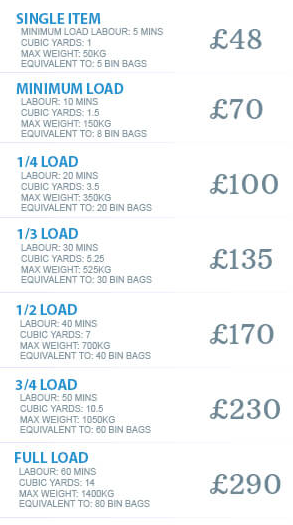
 Tipper Van - Rubbish Removal and Waste Collection Prices in Dulwich, SE21
 Luton Van - Rubbish Removal and Waste Collection Prices in Dulwich, SE21