Household Rubbish vs Construction Waste: Handling Each Properly
Posted on 07/04/2026
Household Rubbish vs Construction Waste: Handling Each Properly
You have two piles. One looks like the aftermath of a Sunday clear-out: old magazines, a cracked frame, the odd sock that somehow escaped the wash. The other looks like your builder spilled a small mountain: bricks, timber offcuts, a scatter of nails, and a puff of plaster dust you can practically taste. They are not the same. And treating them the same can cost you money, time, and, to be blunt, a fair bit of hassle. In this guide to Household Rubbish vs Construction Waste: Handling Each Properly, we'll show you exactly how to manage both streams with calm, legal confidence and minimal stress.
Ever tried clearing a room and found yourself keeping everything... just in case? Or booked a skip and then realised the sofa with springs is classed as POPs waste and can't go in there. Yeah, we've all been there. This article is your straight-talking map through the rules, the smart shortcuts, and the tiny decisions that make everything smoother.
Why This Topic Matters
On paper, rubbish is rubbish. In reality, the difference between household rubbish and construction waste is the difference between a smooth weekend job and a headache that drags into next month. Misclassify your waste and you might face rejected collections, extra fees, even fines. Sort it the right way and you'll recycle more, pay less, and keep your project moving.
In our experience across thousands of household clearances and small building jobs in the UK, the most common pain point isn't lifting the heavy stuff. It's knowing what goes where, and who can take it. One homeowner told us she heard an odd clink in the bin lorry at 7am, looked down, and realised she'd mixed old paint tins with general waste. Cue a stern note from the council and a sheepish phone call. To be fair, the rules aren't always obvious.
From a climate and community perspective, the stakes are real. UK landfill tax sits at over ?100 per tonne for most waste, pushing everyone towards better reuse and recycling. The Waste Hierarchy prioritises prevention and reuse before anything else. So, when we say Household Rubbish vs Construction Waste: Handling Each Properly, we're not just splitting hairs. We're helping you reduce carbon, cut costs, and stay compliant without losing your weekends to it.
Key Benefits
- Lower costs: Segregating construction debris (like clean rubble, timber, metal) can slash disposal fees compared with mixed waste. Clean, single-stream materials are cheaper to process.
- Faster collections: Carriers accept properly sorted household rubbish and builder's waste more readily, with fewer delays, rejections, or extra charges.
- Legal confidence: Following UK duty-of-care rules, keeping the right paperwork, and choosing licensed carriers keeps you on the right side of the law.
- Higher recycling rates: Clean streams mean more can be recovered: bricks and concrete to aggregate, metals to smelters, timber to panelboard or energy recovery.
- Safer sites and homes: Reducing clutter and sharp or dusty hazards prevents accidents. Your hallway will thank you. Your ankles too.
- Fewer complaints: Manage noise, dust, and container placement properly and you'll keep neighbours happy. A small courtesy, a big win.
- Peace of mind: When your waste plan is set, the rest of the job flows. Clean, clear, calm. That's the goal.
Step-by-Step Guidance
Let's split the guidance into two clear tracks because that's how your life actually works day to day: household rubbish and construction waste. The workflows overlap, but the rules and containers often do not.
Part A: Household Rubbish - the declutter, the weekly round, the odd bulky item
- Define the job
Are you clearing a loft, a single room, or the whole house? Write it down. A clear scope helps you choose the right containers and book the right collection. On a drizzly Saturday morning in Manchester, one couple decided room-by-room, with tea breaks. They finished on time, almost smug.
- Set up sorting stations
- Keep/Use - genuinely useful items, labelled per room.
- Donate/Reuse - clean clothing, furniture, books.
- Recycle - paper/cardboard, plastics, glass, metals (check council rules).
- Household rubbish - non-recyclable items (bagged).
- Special items - WEEE (electricals), batteries, paint, chemicals, POPs sofas and chairs.
- Know what your council collects
Council services vary by postcode. Some take small electricals; some don't. Many have a bulky waste collection for a fee. If you're in London, borough rules can differ street to street. A quick check now avoids the 6am is-that-a-warning-sticker panic.
- Handle electricals and batteries properly
Electricals (WEEE) usually need separate collection or drop-off. Batteries must never go in general waste; they can cause fires in bin lorries and sorting plants. Use clear bags or a box and label them.
- Watch out for POPs upholstered seating
Upholstered household seating (sofas, armchairs, some office chairs) may contain POPs chemicals and cannot go to landfill or be mixed. They require special handling and often incineration. Ask your carrier if they accept POPs seating and how to prepare it.
- Plan the bulky items
Measure doorways and stairwells. Dismantle safely. Protect floors. That old wardrobe might be heavier than it looks at 7am. Trust me.
- Book the right collection
For a couple of bags, your regular bin service may suffice. For a room clearance, consider a man-and-van rubbish collection. For very large volumes, a skip. Always verify the carrier's waste carrier licence.
- Keep a simple record
Even as a householder, it's wise to note who collected what and when, with any receipts. If anything goes wrong downstream, you can show you acted responsibly.
Part B: Construction Waste - builder's debris, strip-out material, renovation leftovers
- Pre-plan waste by material type
Before the first hammer swing, list expected materials: bricks/concrete, timber, plasterboard, metals, plastic packaging, soil, tiles, glass, insulation. Identify hazardous items: asbestos, lead paint, treated timber, bitumen products, chemical containers.
- Choose the right containers
- 4-6 yard skips for heavy waste (soil, rubble). The classic builder's skip.
- 8-12 yard skips for lighter waste (packaging, timber) - avoid overloading with heavy materials.
- Builders' bags (1-tonne bags) for segregated streams: clean hardcore, timber, metals.
- RORO (roll-on roll-off) bins for large renovations (20-40 yard) - better for commercial or major refurb.
- Separate cages for metal; covered containers where rain could increase tonnage and costs.
- Segregate, segregate, segregate
Label each container. Use signs. Keep plasterboard separate from biodegradable waste. Keep POPs seating away from everything else. Metals in their own pile pay you back - sometimes literally.
- Check permits and access
Skips on public highways generally need a permit from the local council (fees vary; budget ?30-?150+ and allow 3-5 working days). In London, you might also need parking bay suspensions. Narrow streets? Consider man-and-van collections or smaller skips with more frequent swaps.
- Document the waste
For commercial jobs, use Waste Transfer Notes for non-hazardous waste and Consignment Notes for hazardous waste. Keep notes and weighbridge tickets organised. If you're a homeowner doing a DIY refurb, the carrier will usually handle the paperwork; ask for copies.
- Keep dust and noise under control
Use dust sheets, misting sprays, and covers on skips. Your neighbour with the newborn will silently thank you. You could almost smell the cardboard dust in the air - that's your cue to bag it fast.
- Arrange regular collections
Little and often beats one massive mixed load. It keeps the site tidy, reduces hazards, and improves recycling rates. Plus, it feels good - a clear space is motivating.
- Final sweep and sign-off
When the job ends, do a last pass: nails, screws, shards of tile. A magnet-on-a-stick is oddly satisfying and will save a tyre puncture later.
Expert Tips
- Estimate volumes like a pro: A standard black sack is about 0.1 cubic metres if loosely filled. A 6-yard skip is roughly 4.6 cubic metres. Bricks and concrete are heavy - plan accordingly.
- Keep plasterboard separate: Gypsum can create dangerous gases if mixed with biodegradables. Many sites reject mixed loads with plasterboard. Bag and label it.
- Protect against rain: Wet waste weighs more. Cover skips with tarps. Book swaps ahead of heavy weather if possible. It was raining hard outside that day, and the timber load tipped the scales.
- Load smart: Heavy items at the bottom, spread evenly. Break down furniture. Avoid voids. Don't overfill above the skip sides - carriers can refuse pickup.
- Sell or donate before you bin: Doors, radiators, kitchen cabinets, even old bricks can be reused. A quick listing can save perfectly good materials from disposal and put a bit back in your pocket.
- Check the waste carrier in 30 seconds: Ask for their licence number and check on the Environment Agency register. No licence, no collection. Simple.
- Go metal-first: Keep metal separate. Scrap value can offset costs. One small roll of copper pipe offcuts might pay for lunch. Or at least a decent coffee.
- Plan for POPs seating: Tell your carrier upfront if you have sofas or armchairs. These typically need separate routes and can't go in mixed household or builder's waste.
- Manual handling matters: Bend at the knees, keep loads close, and use dollies for heavy items. Your back is not a forklift. Treat it kindly.
- Document everything on your phone: Quick photos of piles, containers, and transfers help if any questions arise. It's also satisfying to see progress over time.
Common Mistakes to Avoid
- Mixing household rubbish with construction waste: It hikes costs and tanks recycling rates. Keep streams separate from the start.
- Overfilling skips: Anything above the rim is unsafe and often refused. You'll pay for a wasted journey. Painful and avoidable.
- Ignoring hazardous materials: Asbestos, solvents, lead paint, and certain insulation types need specialist handling. When in doubt, stop and get advice.
- Putting plasterboard in the general skip: Expect a rejection or surcharge. Bag and keep it clean.
- Forgetting permits and bay suspensions: A missed permit can mean fines and forced removal. Book early.
- Letting rain soak the load: Water adds weight. Weight adds cost. Cover containers, especially with timber, cardboard, and lightweight packaging.
- Not checking the carrier's licence: If your waste gets fly-tipped, you could be questioned. Choose licensed, insured professionals only.
- Skipping documentation: No Waste Transfer Notes or Consignment Notes? That's a compliance risk for businesses and contractors.
- Underestimating volumes: Booking a tiny skip for a big job means multiple swaps and higher costs. Measure twice, book once.
- Leaving sharp and dusty hazards loose: Bag dust, box small shards, and use lids. Your future self - and your tyres - will be grateful.
Case Study or Real-World Example
Renovating a Victorian terrace in South London
Scenario: A couple in Streatham decided to open up their kitchen and refresh two bedrooms. Not a full rebuild, but not small either. They called us on a grey Tuesday, slightly anxious about waste costs and the neighbour who works nights.
Plan: We mapped expected waste: approximately 3 tonnes of rubble and concrete from knocking through a non-load-bearing wall and removing an old hearth, 1.5 tonnes of timber and packaging, a small amount of plasterboard, and a POPs sofa they'd been meaning to replace. Access was tight; skip on the road only with a permit.
- Booked one 6-yard builder's skip for rubble and concrete, plus builders' bags for timber and packaging.
- Plasterboard bagged separately - labelled and covered.
- POPs sofa collected on a separate man-and-van route with correct paperwork.
- Skip permit applied via the council - 4 working days lead time; bay suspension for two days.
Outcome: By keeping streams clean, disposal charges dropped by about 23% compared with a single mixed C&D load. Metals were sold for scrap, offsetting part of the cost. Neighbour complaints? None. The couple said the site felt calmer and safer - their words, not ours - because the waste plan made decisions easy on the day.
Small human moment: On day two, the homeowner brought out biscuits and said, truth be told, she wasn't expecting the rubble to be so... dusty. You could almost smell the chalk in the air. We covered the skip and bagged fine dust immediately. A little step, a big difference.
Tools, Resources & Recommendations
- Containers: 4-6 yard skips for heavy waste; 8-12 yard for bulky light waste; 1-tonne builders' bags for segregated streams; cages for metal; covered bins for cardboard.
- Personal kit: Gloves, dust masks (FFP2/FFP3 for fine dust), safety glasses, steel-capped boots, hi-vis if working roadside.
- Handling aids: Sack barrow, furniture dollies, rubble buckets, a magnetic sweeper for nails, and tarpaulins.
- Planning: A simple waste log on your phone; labels and markers; a tape measure; a quick sketch of container placement to keep walkways clear.
- Segregation signs: Brief, bold signs for timber, rubble, plasterboard, metal, packaging, POPs seating, WEEE.
- Capacity rules of thumb:
- 1 tonne builders' bag holds about 0.6-0.8 cubic metres depending on material.
- Rubble is roughly 1.5-1.7 tonnes per cubic metre - very heavy. Respect weight limits.
- An 8-yard skip suits light refurb waste but is not for soil or hardcore.
- Where to check carriers: Environment Agency public register (search waste carrier, broker, dealer).
- Standards and good practice: Waste Hierarchy, PAS 402 for waste resource management performance, ISO 14001 for environmental management, WRAP guidance for construction resource efficiency.
- EWC/LoW codes examples: 20 03 01 mixed municipal waste; 17 01 07 concrete/bricks/tiles mixture; 17 02 01 wood; 17 04 07 mixed metals; 17 05 04 soil and stones; 17 08 02 plasterboard; 20 01 36 WEEE non-hazard; 17 06 05* asbestos (hazardous).
One more small tip: keep a roll of bright tape on site to cordon off the waste area. It sets a tone. People notice and play by the rules when the space tells them how.
Law, Compliance or Industry Standards (UK-focused if applicable)
This is where Household Rubbish vs Construction Waste: Handling Each Properly really takes shape. UK rules are clear once you break them down.
- Environmental Protection Act 1990, s34 Duty of Care: Anyone who produces or handles waste must take all reasonable steps to prevent harm. For businesses and contractors, this means using licensed carriers, keeping waste secure, and transferring it with correct documentation.
- Waste (England and Wales) Regulations 2011 (as amended): Requires applying the Waste Hierarchy and proper transfer notes with EWC codes for non-hazardous waste.
- Hazardous waste: Hazardous Waste (England and Wales) Regulations 2005 (as amended). Use consignment notes. Keep records for at least 3 years.
- Construction (Design and Management) Regulations 2015 (CDM 2015): If it's a construction project, plan for welfare, safety, and site housekeeping - including waste - proportionate to the job.
- WEEE Regulations: Electricals require separate handling and often producer take-back schemes apply. Don't mix with general waste.
- POPs in upholstered seating: UK guidance requires separate collection and destruction routes for affected sofas, armchairs, and similar items; no landfill, no reuse if contaminated. Check local instructions carefully.
- Plasterboard rules: Must be kept separate from biodegradable waste due to the risk of hydrogen sulphide gas formation.
- Asbestos: Controlled disposal only. If you suspect asbestos (e.g., artex, old soffits, insulating board), stop work and arrange specialist testing/removal. The Control of Asbestos Regulations 2012 apply.
- Waste carriers licence: Any business transporting waste for others needs a licence from the Environment Agency (or equivalents in Scotland/NI). Always verify.
- Waste Transfer Notes: Required for each movement of controlled non-hazardous waste for businesses. Keep for at least 2 years.
- Landfill Tax: Standard rate is over ?100 per tonne in recent years, incentivising recovery and recycling. Expect charges to reflect weight and contamination.
- Skip permits: Required for public highways; local councils set fees and conditions. Night lighting and cones may be required. Don't risk it - get the permit.
Important: Householders have fewer formal paperwork duties, but you still have a responsibility to choose licensed carriers and to avoid illegal dumping. If a too-cheap-to-be-true operator fly-tips your waste, you could be contacted and questioned. It's not worth the risk.
Checklist
- Define scope: household clearance, refurb, or both?
- List waste types expected: household rubbish vs construction waste streams.
- Choose containers: correct skip size, builders' bags, metal cages, covered bins.
- Plan segregation: labels for timber, rubble, metals, plasterboard, packaging, WEEE, POPs seating.
- Check access and permits: road space, bay suspensions, timing windows.
- Book licensed carrier: verify waste carrier licence and insurance.
- Prepare PPE and handling aids: gloves, masks, dollies, tarps.
- Keep documentation: transfer notes, consignment notes, receipts, photos.
- Arrange staged collections to keep the site clear.
- End-of-job sweep: magnets for nails, clear pathways, final photos.
If a step looks big, break it in two. You'll move faster, oddly enough.
Conclusion with CTA
When you understand the split between household rubbish and construction waste, everything else clicks. You sort smarter, recycle more, and pay less. You keep neighbours on side, avoid awkward knock-backs from carriers, and sail through the legal bits without drama. That's Household Rubbish vs Construction Waste: Handling Each Properly in practice - real, grounded, and surprisingly satisfying.
Whether you're clearing a loft or opening up a kitchen, a calm plan beats guesswork every time. And if you'd like a hand, or just a quick sense-check of your plan, we're here.
Get a free quote today and see how much you can save.
One last thought: tidy spaces change how a place feels. Lighter, brighter, easier to breathe. You'll feel it too.


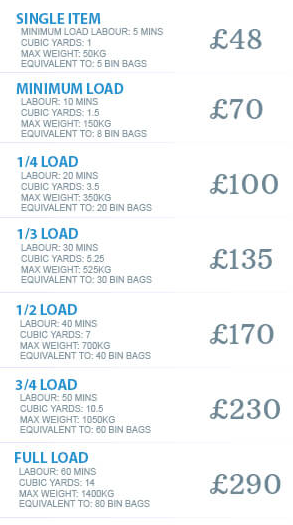
 Tipper Van - Rubbish Removal and Waste Collection Prices in Dulwich, SE21
 Luton Van - Rubbish Removal and Waste Collection Prices in Dulwich, SE21