Eco-Friendly Rubbish Removal Solutions for Sustainable Homes
Posted on 06/03/2026
Eco-Friendly Rubbish Removal Solutions for Sustainable Homes
You want a cleaner home, lower bills, and a lighter footprint. Fair enough. Eco-friendly rubbish removal isn't about perfection or trendy jargon--it's about smart choices that make your home calmer, your wallet happier, and your impact smaller. In our experience, households that adopt simple, sustainable waste systems save time, reduce clutter, and cut disposal costs--without making life harder. And to be fair, once you set things up properly, it becomes second nature.
In this long-form guide, you'll learn how to build a simple yet powerful eco-rubbish strategy for a truly sustainable home. We'll cover the UK essentials (licences, duty of care, WEEE, and more), compare eco-friendly rubbish removal options, and give you step-by-step instructions you can follow today. Expect practical examples, a little warmth, and advice that actually works in busy, real-world homes--terraced houses with tiny kitchens, high-rise flats with communal bins, and everything in between.
Clean, clear, calm. That's the goal.
Why This Topic Matters
Let's start with the simple truth: household waste adds up--quietly, steadily, week after week. In the UK, household recycling rates hover around the mid-40% mark, which means a lot of valuable materials still end up in residual waste streams. Eco-friendly rubbish removal solutions for sustainable homes are about shifting that balance: prevent what you can, reuse what's useful, recycle what's left, and dispose responsibly. It's not glamorous, but it's effective.
Another reason this matters? Costs. Rubbish removal costs (council collections, skip permits, man-and-van clearances, and tipping fees) can creep up if you don't plan. Smart segregation and reuse can trim disposal volumes and reduce bookings. Better still, a well-run system prevents fines--from contamination penalties to issues arising from unlicensed collectors.
There's also the planet, of course. Every time you rescue a chair via a charity pick-up or compost your caddy, you're cutting emissions associated with extracting new materials and transporting waste. Small actions, repeated--thats where the win hides.
Quick micro-moment: It was raining hard outside that day, and you could almost smell the cardboard dust in the air as you flattened boxes. Five minutes later, the hallway was clear. Tiny ritual. Big relief.
Key Benefits
Here's what eco-friendly rubbish removal can do for you:
- Lower Costs: By diverting items for reuse and recycling, you reduce paid disposal volumes. Donating bulky goods often beats paying for removal. And when you do pay, choosing the right option (skip vs. licensed man-and-van vs. council bulky collection) saves real money.
- Less Clutter, More Calm: Structured decluttering--paired with repair, resale, and responsible disposal--brings order to your home. You breathe easier. Literally.
- Environmental Wins: Reuse has the biggest impact; recycling comes next. Organic waste diverted to composting or anaerobic digestion reduces methane. It's not abstract--you'll notice your general waste bin getting lighter.
- Legal Confidence: Following UK duty-of-care rules (and hiring licensed carriers) protects you from fines and the horror of seeing your old sofa in a fly-tipped layby on social media.
- Community Impact: Donations help local charities. Repair and Freecycle networks keep useful goods in circulation. You're part of a bigger, kinder circle--the circular economy in action.
- Convenience Over Time: A few good habits (labels, bin placement, reminders) means fewer last-minute panics when the bin lorry is already on your street.
One line that always sticks: What you don't throw away, you don't have to pay to move.
Step-by-Step Guidance
1) Audit Your Waste and Set Your Targets
Start with a simple, honest audit. For one week (two is better), track what goes into your household bins: paper/cardboard, plastics, metal, glass, food waste, textiles, WEEE (electricals), batteries, and general waste. Snap a quick photo each collection day. You'll spot patterns quickly--morning coffee pods, kid's snack wrappers, packaging from online orders.
- Weigh it if you can: A cheap luggage scale and a strong bag works. Knowing you create 3 kg of cardboard weekly makes your storage and pickup plan obvious.
- Set a goal: For example: reduce general waste by 30% in 3 months; divert batteries and vapes safely 100% of the time; donate or sell one bulky item per month.
Micro-moment: Ever stood at the bin and thought, "This can't be right--why is there so much plastic?" You're not alone. Awareness is step one.
2) Map Your Local Options
Every UK council runs slightly different collections. Some collect food waste weekly, others fortnightly. Plastics accepted vary. So, check your local authority's recycling rules and calendars. Then, map out your private options:
- Council bulky waste collection: Affordable, but slots can be limited. Suitable for mattresses, sofas, wardrobes.
- Licensed man-and-van rubbish removal: Flexible and fast. Ask for a Waste Carrier Registration number and proof of disposal. Ideal for mixed household clearance with sorting included.
- Skip hire: Great for renovations and heavy waste. Requires permits if placed on public highways. Not always the greenest option; consider mixed-waste sorting facilities.
- Reuse and charity collection: Many charities collect furniture and working appliances. Pre-arrange and check fire-safety labels on sofas (crucial).
- Sell/gift platforms: Freegle, Freecycle, Facebook Marketplace, Gumtree--keep good items in use and out of the tip.
3) Design Your Home Waste Stations
Put the right containers in the right places. It sounds basic, but it's the difference between "maybe later" and "done".
- Kitchen: Food caddy, mixed recycling, general waste. Keep the caddy easy to open and rinse it weekly. A liner helps, but compostable liners must be council-approved.
- Hallway/Utility: Cardboard stack zone; scissors or safety blade nearby for flattening. You'll hear the quiet rip of tape and feel the instant tidy.
- Living room/Study: Box for WEEE (cables, chargers), a small wallet for spent batteries and vapes. Place a bold label: "No batteries in bin--fire risk."
- Bedroom/Wardrobe: Reuse/donate bag. When it's full, you act. No dithering at the mirror.
- Garden/Shed: Compost bin or garden waste sack, plus a separate tub for soil/rubble (these can't go in normal bins).
Label everything. Repeat: label everything. Colour-coding helps--just check your council's system so your cues match their bins.
4) Prioritise Reuse and Repair
Reuse beats recycling, every time. Before you book removal, ask: "Who could use this?"
- Furniture & appliances: If safe and working, charities like Emmaus or British Heart Foundation often collect. Sofas need fire labels attached.
- Clothes & textiles: Donate clean items. Torn textiles can often be recycled at textile banks.
- Electronics: Even older laptops/phones may have value. Back up and wipe securely (use built-in reset tools) or ask a specialist.
- Repair Cafes & local fixers: A zip repair or a soldered cable can save a product. It feels oddly satisfying.
Micro-moment: A customer once handed over a mid-century chair, dusty but solid. A quick re-oil and it looked stunning in its new home. Wasn't expecting that.
5) Recycle Clean, Sort Smart
Follow the Waste Hierarchy: prevent, reuse, recycle, recovery, disposal. For recycling to work, cleanliness and sorting matter.
- Rinse lightly: No need for perfection, but remove obvious food residue.
- Flatten cardboard: Saves space, prevents overflows, keeps your hall tidy.
- Know your plastics: Councils vary. Many accept bottles, tubs, and trays; some accept film. Check and stick to the list--no wishcycling.
- Metal & glass: Keep lids with jars if requested locally; policies differ.
Pro note: Contamination is the silent killer of good recycling. If in doubt, leave it out--or check your council's app before tossing.
6) Handle Organics the Smart Way
Food waste is heavy, smelly, and a methane risk if landfilled. UK councils that collect food waste send it to anaerobic digestion or composting facilities.
- Kitchen caddy tips: Line if allowed, drain liquids (reduces smell), and empty often. A sprinkle of bicarb helps with odours.
- Home composting: If you have a garden, consider a compost bin or hot composter. Bokashi is brilliant for small spaces; it ferments scraps (a bit tangy) and feeds soil later.
- Garden waste: Keep separate from soil, stones, and plastics. Many councils offer paid green waste bins--worth it for heavy gardeners.
7) WEEE, Batteries, Vapes and Hazardous Items
This is where fires and fines happen--so let's keep it safe.
- Batteries & vapes: Never in general waste or mixed recycling. Use retailer take-back boxes (most supermarkets have them). Store used batteries in a lidded pot; tape terminals on lithium cells if possible.
- Small electricals: Use WEEE collection points or council sites. Many retailers offer take-back when you buy new.
- Chemicals, paint, asbestos: Follow council hazardous-waste guidance. Bookable services exist in many areas (London has clear processes). Never pour chemicals down drains.
- Data security: For phones and laptops, wipe or remove drives before donating or recycling.
8) Plan Bulky Waste and Renovation Clearances
Renovations create mixed waste--plasterboard, timber, insulation, tiles. Mixing hazardous (e.g., asbestos, lead paint) with general waste is a big no.
- Decide skip vs. man-and-van: Skips suit heavy waste and ongoing works; man-and-van suits tight streets and on-demand sorting.
- Permits and parking: Skips on the road usually need a permit and lights/covering. Budget for it and check lead times.
- Segregate on site: Keep plasterboard separate if possible; it has special rules at many facilities.
- Photograph and document: Ask for transfer notes and disposal destinations--good for peace of mind and any future audit.
9) Choose Providers with Transparent, Green Operations
When hiring, ask simple, strong questions:
- Are you a licensed waste carrier? Get the registration number and verify on the Environment Agency register.
- Where will my waste go? Reuse routes? Recycling partners? Energy-from-waste? Landfill is a last resort.
- What's your diversion rate? Providers focused on eco-friendly rubbish removal solutions will share realistic percentages and processes.
- Will I get paperwork? Yes. Waste Transfer Notes for non-hazardous; consignment notes for hazardous waste.
One more thing: choose teams that arrive with sorting bags and a plan. It's a tell-tale sign of professionalism.
10) Maintain, Measure, Improve
Set reminders for bin days. Keep a simple dashboard: general waste (kg or bags), recycling volume, food waste, donations. Review monthly. Adjust where needed: bigger cardboard zone? Another textile bag? You'll get faster at this, almost on autopilot.
And celebrate tiny wins. The first month you avoid an extra general waste sack--and the kitchen stays fresh--you'll feel it.
Expert Tips
- Put bins where the mess happens: Food caddy near the chopping board, battery pot next to the printer, cardboard knife by the parcel-drop zone. Friction down, compliance up.
- Use clear bags for recyclables inside your home: Lets you spot contamination before it leaves.
- Flatten early, often: Cardboard can dominate space; a quick flap-press turns a chaotic hallway into a tidy corridor.
- Have a quarantine box: Unsure if recyclable? Park it, then check. Saves you from the "wishcycling" trap.
- Store batteries safely: Especially lithium. A small metal tin with a lid is a neat move.
- Ask for reuse first: With man-and-van teams, request reuse partners before recycling. It nudges behaviour.
- Consider a mini-MRF at home: Sounds grand, simply means a shelf with labelled tubs: metal, small WEEE, soft plastics (if collected), textiles.
- Compost without smells: Drain liquids, freeze scraps in summer, or use bokashi. Little tricks, big difference.
- Keep records: Photos, notes, and transfer paperwork give you the story of your effort--great if you're a landlord, a sharer household, or just love data.
- Gamify it with kids: "Spot the rogue bottle cap" earns a star. You'll be amazed how fast they learn.
Truth be told, perfection is overrated. Consistency wins.
Common Mistakes to Avoid
- Wishcycling: Tossing non-recyclables into the recycling bin out of hope. It contaminates good materials.
- Using unlicensed collectors: If your waste ends up fly-tipped, you can be fined. Always check the licence.
- Mixing hazardous items: Batteries, vapes, paint, chemicals--never in general waste. Fire risk, environmental risk, legal risk.
- Overfilling skips: Safety and compliance issue. Arrange an extra pickup or larger container.
- Forgetting data wipes: Phones, laptops, printers--clear them. Future you will thank you.
- Ignoring council changes: Collection days and accepted items can change. Skim the annual leaflet or app alerts.
- Bagging food waste in plastic: Unless your council allows specific liners, don't. It contaminates the organics stream.
- Storing waste in damp sheds: Paper and cardboard become mush and unusable. Keep dry.
We've all tossed something the wrong way once. Learn, move on, do better next time.
Case Study or Real-World Example
The Miller family in Walthamstow, London--a Victorian terrace, two kids, a dog, and a loft groaning with boxes. Saturday morning, grey skies. You could almost smell the old books as they opened the hatch.
- Audit & plan: They listed items by stream: 6 boxes of books, 3 suitcases of clothes, a broken desk, two laptops, a tangle of chargers, and a sagging sofa.
- Reuse first: Books went to a community library; clothes to charity (clean and folded). The sofa had a fire label--perfect for a charity pickup the following week.
- WEEE & batteries: Laptops were wiped and donated. Batteries and an old vape went into a retailer take-back box.
- Man-and-van: For mixed leftovers and the broken desk, they booked a licensed eco-friendly rubbish removal team. The crew arrived with sorting sacks, separated wood, metal, and general waste, and provided a transfer note on the spot.
- Food and compost: They also set up a kitchen caddy and a slimline compost bin for the garden. Small habit, big change.
Results within a month: General waste down by about a third. Hallway calmer. A record of reuse and recycling, plus charity receipts. Costs ended up lower than hiring a skip and doing it all themselves, mainly because the reuse streams cut volume dramatically. And you know what? The house felt lighter--like it could breathe.
Tools, Resources & Recommendations
- Environment Agency public register: Verify Waste Carrier Registration numbers before booking any private collector.
- Recycle Now (WRAP) locator: Find local recycling points and what materials are accepted.
- Council services: Check bulky waste collection, HWRC (household waste recycling centres), and hazardous-waste appointment systems.
- Charity collection: British Heart Foundation, Emmaus, Sue Ryder, local hospice shops--confirm fire labels on soft furnishings.
- Apps & platforms: Freegle, Freecycle, Facebook Marketplace, Gumtree, OLIO (for surplus food), Too Good To Go (save food from shops).
- Repair networks: Repair Cafes, local fixers, community workshops.
- Composting gear: Hot composters, bokashi bins, council green waste subscriptions.
- Safety kit: Heavy-duty gloves, dust masks for loft clearances, tape for battery terminals, stackable crates for sorting.
- Digital declutter tools: Built-in phone/laptop reset tools, guides for secure data wiping.
- Labels & signage: Print simple, bold labels for in-home stations and communal bins.
Pick a few and start. You don't need everything at once.
Law, Compliance or Industry Standards (UK-focused if applicable)
UK households benefit from clear rules designed to protect people and the environment. Here are the essentials to know:
- Duty of Care (Environmental Protection Act 1990, s.34): If you hand waste to someone else, you must take reasonable steps to ensure they're authorised and it's taken to a legitimate site. For households, that means using licensed carriers and reputable services.
- Waste Carrier Registration: Private rubbish removal companies must be registered with the Environment Agency (England). Ask for their registration number and check it.
- Waste Transfer Notes & Consignment Notes: For non-hazardous waste, carriers should complete a transfer note (often digitally). Hazardous waste needs a consignment note and stricter controls.
- Waste Hierarchy: UK policy expects prioritising prevention, then reuse, then recycling, recovery, and lastly disposal. It's the backbone of eco-friendly rubbish removal.
- TEEP (Technically, Environmentally and Economically Practicable): Encourages separate collections for key recyclables when it makes sense. You'll see this influence in how councils run services.
- WEEE Regulations: Retailer take-back and designated collection facilities for electricals. Many shops accept small WEEE for free.
- Battery Regulations: Retailers selling significant volumes must provide free take-back. Use those in-store boxes.
- Hazardous Waste Regulations: Controls for items like certain chemicals, asbestos, and clinical waste. Follow local authority guidance for household quantities.
- Fly-tipping penalties: Significant fines for offenders. If you give waste to an unlicensed collector and it's dumped, you can face penalties. Paperwork protects you.
- Skips & highways: Skips placed on public roads usually need a permit, lighting, and coverings. Your hire company should advise and arrange.
- Packaging & Producer Responsibility (EPR): Reforms are ongoing; they'll affect labelling and system funding. Keep an eye on official updates--better labelling will help households recycle right.
Regulations evolve. When in doubt, check with your council or the Environment Agency. It takes minutes and can save headaches later.
Checklist
- Do a 1-2 week waste audit (photos + quick notes).
- Set clear goals (e.g., reduce general waste by 30%).
- Confirm your council's accepted materials and collection schedule.
- Create waste stations: kitchen, hallway, study, bedroom, garden.
- Print bold labels for every container.
- Set up reuse routes (charity pickups, online marketplaces).
- Establish WEEE and battery boxes--no exceptions.
- Choose a licensed collector; verify their registration.
- Request paperwork: transfer notes, destinations, reuse partners.
- Manage organics: caddy + compost or council food waste.
- Plan bulky/renovation waste early (skip vs. man-and-van).
- Keep simple records and review monthly.
Conclusion with CTA
Eco-friendly rubbish removal solutions for sustainable homes aren't complicated--they're practical. Start small, label well, aim for reuse first, and hire people who prove where your waste goes. It won't be perfect every week. But it will add up beautifully over time.
Get a free quote today and see how much you can save.
And breathe. Your home is getting lighter already.


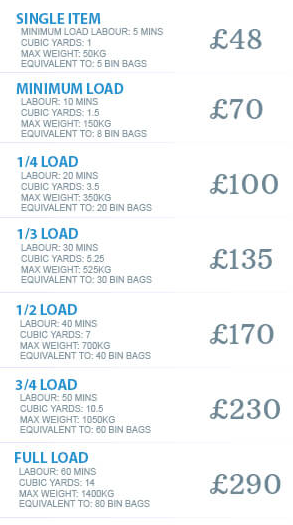
 Tipper Van - Rubbish Removal and Waste Collection Prices in Dulwich, SE21
 Luton Van - Rubbish Removal and Waste Collection Prices in Dulwich, SE21