DIY vs Professional Rubbish Clearance: Which Choice Saves You More?
Posted on 09/01/2026
DIY vs Professional Rubbish Clearance: Which Choice Saves You More? It sounds simple until you start lifting the first wardrobe, or your third trip to the tip gets refused because, well, you arrived in a hired van. The costs, the time, the rules. It adds up. This long-form guide is here to help you decide, with clarity and confidence, whether doing it yourself or booking a licensed waste carrier truly saves you more money, more time, and more hassle.
We will break down real costs, UK regulations, what to expect from a professional rubbish removal service, and how to avoid nasty surprises (like landfill taxes baked into disposal fees). If you're a homeowner clearing a garage, a landlord flipping a flat, or a small business owner staring at a room of broken fixtures and packaging foam, this is your complete, no-fluff comparison.
Why This Topic Matters
On paper, clearing rubbish sounds like a quick weekend job. In reality, it can be a maze of disposal rules, weights, van permits, recycling categories, and fees that appear out of nowhere. The choice between DIY rubbish clearance and hiring a professional waste removal team isn't just about price. It's about safety, time, compliance, and environmental responsibility.
There's also the bigger picture. In England alone, fly-tipping incidents number in the hundreds of thousands each year, and the public picks up the tab. Using unlicensed carriers can lead to your waste being dumped illegally, and you, as the producer of the waste, can be fined. When you weigh up DIY vs Professional Rubbish Clearance: Which Choice Saves You More? the right answer balances pounds and pence with peace of mind.
A small human moment: one rainy Tuesday in Lewisham, a client swore a quick boot-load run would sort it. Three trips later, soaked to the skin and told the old fridge counted as hazardous, they rang us. To be fair, we've all underestimated a job. You'll see why planning matters.
Key Benefits
When DIY Makes Sense
- Lower direct costs for small, light loads where you can use your own car and local Household Waste Recycling Centre (HWRC).
- Control and flexibility: work at your own pace, sort items as you go, and keep what matters.
- Good for segmented projects: decluttering one room at a time, garden clippings, or a handful of boxes.
- Skills & satisfaction: if you enjoy hands-on work and have the time, it can be oddly therapeutic. Clean, clear, calm. That's the goal.
When Professional Clearance Wins
- All-in pricing that includes labour, vehicle, disposal fees, and compliance documentation (waste transfer notes).
- Speed: a trained two-person crew can clear what takes you a weekend in just an hour or two.
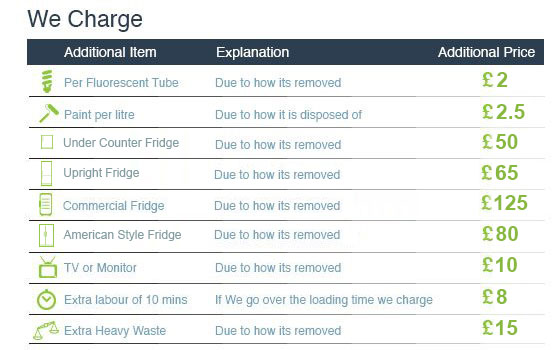
- Compliance & safety: licensed carriers manage hazardous items correctly (fridges, TVs, fluorescent tubes, paints, some DIY waste).
- Heavy lifting covered: avoid injuries and damage to walls, floors, and banisters.
- Predictable outcome: no van permits, no HWRC refusals, no guessing weights. Less stress, more certainty.
Truth be told, the tipping point is usually a mix of volume, weight, and time. If you need to ask friends with a van, buy PPE, and spend your Saturday navigating queues at the tip, the savings can evaporate fast.
Step-by-Step Guidance
DIY Route: How to Do It Safely and Legally
- Audit and sort your waste
- Separate recyclables (paper, cardboard, glass, metals) from general waste.
- Identify hazardous or special items: fridges/freezers, TVs/monitors, fluorescent lamps, paint/chemicals, asbestos, batteries. These have different disposal paths.
- Estimate volume by cubic yards (a household wheelie bin is roughly 0.25 cubic yards). A small car boot might carry 0.5-1 cubic yard if compacted.
- Check your local HWRC rules
- Many English councils no longer charge for small amounts of household DIY waste (policy from late 2023), but they set limits per visit. Larger volumes may be chargeable or refused.
- Vans and trailers often require permits or are not allowed. Some sites accept cars only; others limit visits per month.
- Bring proof of address; some sites are residents-only.
- Calculate the true cost
- Fuel and parking.
- Vehicle hire if needed (typical small van hire ?60-?110/day plus deposit).
- PPE: gloves, dust masks, eye protection (budget ?10-?30).
- Your time: assign an hourly value. Two people x 4 hours at ?20/hr = ?160 of personal time.
- Pack and load efficiently
- Break down bulky items. Flatten cardboard. Bag smaller pieces tight to save trips.
- Load heavy items first and keep weight evenly distributed.
- Protect your car with a dust sheet; cardboard dust and plaster crumbs get everywhere.
- Dispose responsibly
- Follow staff guidance at the site and use correct bays.
- For items HWRC won't accept (e.g., certain commercial or oversized loads), contact a licensed carrier or specialist recycler.
- Keep records
- Receipts, photos of your sorted waste, and if using any third party, a waste transfer note and carrier licence details.
Micro-moment: you could almost smell the cardboard dust in the air after we flattened a dozen moving boxes; oddly satisfying and sneezy at the same time.
Professional Route: How to Hire the Right Waste Carrier
- Define scope and constraints
- What needs removing? Any access issues (stairs, tight hallways, limited parking)?
- Preferred time windows and any building rules (e.g., lift use or quiet hours).
- Get 2-3 quotes
- Ask for pricing by cubic yard or by volume, including labour and disposal.
- Provide photos and a rough item list for accuracy.
- Verify compliance
- Check the company's Waste Carrier, Broker, Dealer registration on the Environment Agency public register.
- Ask about recycling rates and where waste is taken (licensed transfer station).
- Confirm you will receive a waste transfer note on completion.
- Prepare on the day
- Clear a path, reserve parking if possible, and remove personal items from furniture.
- Flag fragile areas; a good crew will protect corners and floors.
- Review and sign off
- Walk through before/after, confirm final volume and price.
- Collect the waste transfer note and invoice for your records.
A quick aside: ever tried clearing a room and found yourself keeping everything 'just in case'? Happens more than you think. A crew keeps momentum. Less dithering, more doing.
Expert Tips
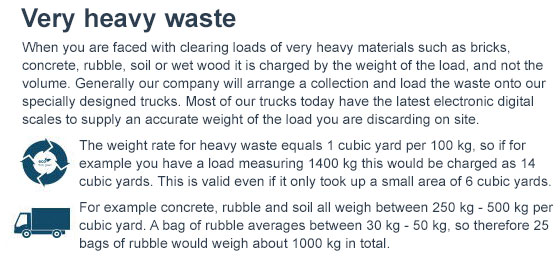
- Know your weights: mixed household waste is often 80-150 kg per cubic yard; dense rubble or soil can hit 250-500 kg per yard. Weight drives disposal cost.
- Time your tip runs: avoid weekend and bank holiday queues. Early weekday mornings tend to be quieter.
- Photograph everything before clearance. Handy for inventory, deposit disputes, and insurance.
- Bundle metal separately: some recyclers collect metals free or at reduced cost; it lowers your chargeable mixed waste volume.
- Furniture re-use first: charities can collect good-condition sofas, tables, and wardrobes (fire labels needed for sofas). It's greener and can reduce the paid load.
- Negotiate by volume bands: reputable firms publish per-yard rates. If you're near a band break, ask what it would cost to remove that last half-yard too.
- Check parking and access: a 10-minute walk from the property to the van adds labour; clear instruction saves time and cost.
- Consider a wait-and-load if you can't get a skip permit on a busy street. Crews load in 30-60 minutes and go, no permit required.
- Mind your back: if you DIY, use proper lifting technique, gloves, and toe-protective footwear. A slip on stairs isn't worth a small saving.
We once saved a client ?90 by separating clean timber and metal from a mixed pile. Five minutes of sorting; not bad at all.
Common Mistakes to Avoid
- Hiring the cheapest, unlicensed carrier: if your waste is fly-tipped and traced, you can face fines. Always check a carrier's licence.
- Underestimating volume: six black bags don't always equal 'small job'. Compacted waste is heavy; soggy waste is heavier.
- Ignoring hazardous items: fridges, TVs, fluorescent tubes, paints/solvents, and certain DIY waste need special handling. Don't load them into general waste.
- Assuming vans are allowed at any HWRC: many sites restrict or require permits for vans and trailers. Turning up and being refused stings.
- Skipping paperwork: no waste transfer note means no proof. Keep it for your records and compliance.
- Overfilling skips: a level-load rule is enforced. Overfilled skips can't be moved and may incur extra fees.
- Not valuing your time: if two days disappear and you still have a hallway of junk, a pro team would likely have done it in an hour. Opportunity cost is real.
Yeah, we've all been there: the 'quick tidy' that becomes a full weekend saga plus a sore back on Monday.
Case Study or Real-World Example
Scenario: Two-Bed Flat Clearance in London
Context: Tenant moved out. Items left: two wardrobes, double bed and mattress, two bedside tables, a sofa, coffee table, mixed kitchenware, 12 bags of clothes/books, a microwave, and a small fridge freezer. Access: second floor, no lift, residents' parking only. It was raining hard outside that day, with the faint smell of damp cardboard in the stairwell.
Option A: DIY
- Transport: Car-only HWRC access; vans require permits and often are refused. Multiple car runs.
- Time: 2 people x 6-8 hours (dismantling furniture, carrying, driving, queueing, sorting at HWRC bays) = 12-16 person-hours.
- Costs (indicative):
- Fuel/parking: ?25-?45 (London ranges).
- PPE, dust sheets, tie-downs: ?15-?25.
- Mattress disposal may be charged if taken to certain facilities via third party: ?15-?30.
- Fridge freezer: some HWRCs accept from households; others require council bulky collection or a licensed carrier (potential fee: ?25-?60).
- Your time: if valued at ?20/hr per person = ?240-?320.
- Total DIY outlay: roughly ?275-?450 including time valuation (less if you don't count your time, though that's a bit unrealistic).
- Risks: tenant's fridge may need specialist handling; rainy day lifts and tight corners increase damage or injury risk; possible HWRC limits on quantities per visit.
Option B: Professional Rubbish Clearance
- Time on site: 1.5-2 hours with a two-person crew.
- Volume: approximately 6-8 cubic yards of mixed household waste (500-800 kg, depending on materials).
- Cost (typical London rates): ?350-?550 all-in, including labour, disposal, fridge and mattress surcharges, and a waste transfer note.
- Benefits: one visit, no heavy lifting, compliant disposal, full documentation. No van permit worries.
Call: Which Saved More?
Pure cash could be less for DIY if you exclude your time and the fridge/mattress complication. But if you price your time and factor risk, professional clearance usually wins on this type of move-out job. That said, if you can re-home the sofa and donate furniture first, you might cut the professional load down to 3-4 yards and pay closer to ?220-?350. Small change? Not really. It's significant.
Ever wondered why professionals seem to "fly" through a flat? Systems, tools, and experience. And fewer sentimental pauses over that mug from 2009.
Tools, Resources & Recommendations
- Environment Agency Waste Carrier Register: check licences before you hire. Public register: environment.data.gov.uk
- Recycle Now (material-by-material guidance and local options): recyclenow.com
- WRAP (Waste & Resources Action Programme): best practice on recycling and waste reduction: wrap.org.uk
- Local Council Bulky Waste: book collections for sofas, mattresses, fridges; costs vary by borough.
- Skip Permits: check your council website for permit costs if you decide on skip hire. London permits can run ?60-?120 for 1-2 weeks, plus parking suspensions.
- PPE & Handling: invest in nitrile-coated gloves, dust masks (FFP2/FFP3 for dusty jobs), eye protection, and sturdy boots.
- Measuring Volume: a standard builder's bag is roughly 1 cubic yard. A 6-yard skip fits around 50-60 black bin bags when properly loaded.
Recommendation: if your job is over 3 cubic yards or includes a fridge, large sofa, or lots of mixed materials, leaning professional is usually the safer, smarter choice.
Law, Compliance or Industry Standards (UK-focused)
Waste law in the UK isn't optional. A few key points that keep you safe and on the right side of compliance:
- Duty of Care (Environmental Protection Act 1990, Section 34): You are responsible for ensuring your waste is transferred only to an authorised person and is handled properly. Keep a waste transfer note when using a professional service.
- Waste Carrier, Broker, Dealer Registration (Environment Agency): any business that transports waste for others must be registered. Always verify their licence.
- Waste (England and Wales) Regulations 2011: encourage waste hierarchy (prevention, re-use, recycling, recovery, disposal). Many professional firms will report recycling rates; ask for them.
- WEEE Regulations 2013: electrical items (e.g., TVs, microwaves) require special treatment. Don't put them in general waste.
- Hazardous Waste: includes chemicals, some paints, solvents, fluorescent tubes, and refrigeration units; these need authorised disposal routes.
- Landfill Tax: 2024/25 standard rate is broadly around ?103.70 per tonne in England and Northern Ireland (similar regimes in Scotland and Wales). While you don't pay it directly, it's a major driver of disposal pricing.
- Council HWRC rules: vary locally. Many English councils don't charge for small DIY household waste volumes from residents, but there are quantity and frequency limits. Vans and trailers commonly require permits.
- Asbestos (Control of Asbestos Regulations 2012): if you suspect asbestos (e.g., some old floor tiles, Artex ceilings, garage roof sheets), stop and seek specialist advice. Do not DIY this.
Keep paperwork. Keep photos. And if anything feels off--price too low, no licence shown, no transfer note--walk away. Better a slight delay than a big fine.
Checklist
- Scope: list items, estimate cubic yards, note access/parking constraints.
- Segregate: recycle, general waste, hazardous, re-use/donate.
- Decide route: DIY for small/light and simple loads; professional for heavy/mixed or time-critical jobs.
- Legal: if hiring, verify licence and insist on a waste transfer note.
- Budget: account for fuel, van hire, PPE, your time (DIY), or a clear all-in quote (pro).
- Safety: plan lifting, use PPE, and clear routes to avoid trips and scrapes.
- Timing: avoid peak HWRC times; if hiring, book a window that suits neighbours/building rules.
- Aftercare: keep receipts and notes; consider additional cleaning and touch-ups to finish the space.
Small human tip: make a brew before you start. Ten minutes of calm planning saves an hour of confusion later.
Conclusion with CTA
So, DIY vs Professional Rubbish Clearance: Which Choice Saves You More? For light, simple jobs and if you have the time, DIY can indeed be cheaper in cash terms. But once you factor in multiple trips, van restrictions, heavy lifting, and compliance for items like fridges or TVs, a licensed professional service often saves more overall: fewer hours, fewer risks, and no surprise costs at the gate.
To be fair, not every job needs a crew. But when it does, it's a relief to watch a trained team sweep through in under an hour and hand you a tidy, quiet room. That soft sigh when the space is finally clear? Worth it.
Get a free quote today and see how much you can save.
Either way you choose--DIY or professional--aim for safe, legal, and sustainable. That's the best win, every time.


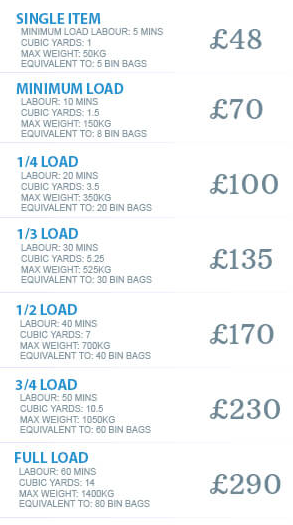
 Tipper Van - Rubbish Removal and Waste Collection Prices in Dulwich, SE21
 Luton Van - Rubbish Removal and Waste Collection Prices in Dulwich, SE21