Behind the Scenes: A Day in the Life of Our Waste Collection Team
Posted on 18/02/2026
Behind the Scenes: A Day in the Life of Our Waste Collection Team
Ever wondered what really happens before your bins are rolled back into place and the street looks fresh again? This is your guided pass to the working world most people never see. In this long-form look behind the scenes, we follow a day in the life of our waste collection team--those hi-vis heroes who start before sunrise, navigate tight lanes and London drizzle, and keep homes, businesses, and the planet a little cleaner. It's practical, it's gritty, and yes, it's actually pretty inspiring.
From route planning to vehicle safety checks, from waste segregation to UK compliance, and from real customer stories to smart tools you can use, this expert guide is designed to be helpful for facilities managers, business owners, housing associations, and anyone curious about how professional waste collection really works. You'll see the small decisions that save money, reduce carbon, and prevent chaos--plus the human moments that make it all worthwhile. And, to be fair, youll never look at a wheelie bin the same way again.
Why This Topic Matters
Waste collection is the quiet infrastructure that keeps towns and cities healthy, compliant, and liveable. When it works, nobody notices. When it fails--blocked bin stores, overflowing bags, odours, pests--everyone does. Behind the Scenes: A Day in the Life of Our Waste Collection Team reveals the moving parts, the decision-making, and the disciplined routines that make reliable service happen day after day.
The stakes are real. In the UK, improper handling and storage of waste can trigger fines, legal action, and reputational damage under the Environmental Protection Act 1990. For businesses, waste is also a cost line that's often 10-25% higher than needed due to over-servicing, contamination, or using the wrong containers. And then there's the climate piece: better routing, segregation, and recycling can shrink a company's footprint faster than youd think.
One early morning in Lewisham, a drizzle threatened to soak cardboard stacks outside a cafe. Our driver paused, grabbed a spare liner, and tucked the bundles under shelter. Small act, big impact: dry fibre equals higher recycling value and less mess. That's the difference a trained team makes.
Key Benefits
Understanding what happens behind the scenes offers more than curiosity. It lets you plan smarter, save money, and stay compliant.
- Cost control: Right-sizing bins and frequencies can cut spend by 10-30%. Avoiding contamination reduces rejected loads and surcharges.
- Compliance confidence: Following UK rules--duty of care, correct transfer notes, licensed carriers--protects you from penalties and audits.
- Operational reliability: When access routes are clear and bins are packed correctly, collections are faster, safer, and on time. Simple.
- Environmental impact: Better segregation improves recycling rates and reduces landfill emissions. Clean, clear, calm. That's the goal.
- Health & safety: Fewer manual handling risks, fewer sharps incidents, fewer slips and trips in bin stores. Staff go home safe.
- Data to decisions: Weighing, photos, and digital proof-of-service turn guesswork into measurable KPIs. It's hard to improve what you can't see.
Quick micro-moment: a shop manager in Croydon told us, "I didnt realise the lids kept being left open because the bin was too small. We upsized and the foxes disappeared." You could almost hear the sigh of relief.
Step-by-Step Guidance
Here's how a typical day unfolds for our waste collection crew--what we check, what we note, and how that helps you.
1) Pre-dawn start: safety first
Teams meet around 05:00. There's coffee, a quick toolbox talk, and a close look at the plan. The supervisor runs through the route, anticipated roadworks, customer alerts (e.g., "extra waste after the hotel's event"), and any changes to disposal sites.
- Vehicle checks: Lights, brakes, tyres, reversing alarms, beacons. Fluid levels, hydraulic hoses, tail-lift function. It takes minutes but prevents hours lost roadside.
- PPE review: Hi-vis, gloves suited to task, safety boots, eye protection for glass, and hearing protection as needed. Manual Handling Operations Regulations 1992 training sits behind how we lift and move.
- Documentation: Waste carrier licence on board; electronic waste transfer notes (eWTNs) templates ready; spill kits checked.
Truth be told, nobody loves a rainy Monday start, but a clear plan helps. That and a strong tea.
2) Routing & navigation: time, fuel, and safety
Our route optimisation software looks at traffic patterns, service windows, and container types. It reduces backtracking, cuts idle time, and improves driver concentration. We pair this with local know-how--like which mews is often blocked by deliveries at 08:15. Software is clever; experience is wiser.
- Low-bridge awareness for caged vehicles and RORO trucks.
- School zones avoided at peak drop-off times where possible.
- Double yellow lines: when stopping briefly, banksmen and hazard protocols keep everyone safe.
3) Arrival on site: access, safety, courtesy
When the crew reaches your site, they do a quick dynamic risk assessment. Are the bin stores clear? Any broken glass? Is the ramp or lift functioning? If it's a residential block, we keep noise down and gates secured. Simple respect goes a long way at 6am.
- Access control: Fobs, codes, or keys are stored securely and logged. Missed collections often start with missing access.
- Obstructions: Pallets, trolleys, or deliveries blocking bins. It happens. We document with a photo and try to help move items if safe.
- Hazards: Sharps in general waste? Liquid leaks? We isolate, report, and manage according to procedure.
4) Segregation & collection: the core job
Every lift matters. Our crews are trained to spot cross-contamination and either correct it or document it. Why? Because contamination can send a whole load to energy recovery instead of recycling--and that costs you and the planet.
- General waste: Checked for heavy liquids and sharps. Bags should be tied, not overfilled.
- Dry mixed recycling (DMR): Cardboard flattened; no food residue; minimal soft plastics.
- Glass: Separated where possible; collected with proper PPE to prevent cuts.
- Food waste: Caddies and bins sealed to prevent odours and leaks. Collected to go for anaerobic digestion.
- Cardboard only: Kept dry--wet fibre loses value fast.
Quick story: It was raining hard outside that day, and a bakery had stacked boxes by the back door. We moved them under the canopy and left a note: "Dry card equals better recycling. Thanks for the quick save." They smiled the next week.
5) Weighing, recording, and proof-of-service
On-vehicle weighing systems document each lift, while the crew captures a before/after photo if needed. We note contamination, access issues, and extras (like an overflow bag) so you get transparent billing and actionable data. No surprises.
6) Transport & transfer: where the waste goes
Depending on the stream, materials are taken to a transfer station, material recovery facility (MRF), anaerobic digestion plant, or permitted energy recovery facility. The route is planned to minimise fuel use and ensure compliance with site opening times and permits.
- MRFs separate DMR using conveyors, optical sorters, magnets, and eddy current separators.
- Food waste to AD plants produces biogas (electricity/heat) and digestate (soil improver), closing a nice loop.
- Residual waste typically goes to energy from waste where landfill is avoided.
7) Hazardous and specialist streams
Some days include WEEE (waste electricals), fluorescent tubes, paint tins, or clinical waste. These require trained handlers, ADR-compliant vehicles (where applicable), and consignment notes with clear EWC codes. We follow procedure to the letter. It's the law, and it's basic respect for people and environment.
8) Communication: closing the loop with you
After each service, customers receive an electronic record: what was collected, any notes, weights by stream, and a timestamp. For multi-site accounts, monthly reports show trends, recycling rates, and opportunities to save. If we see recurring contamination (say, coffee cups in DMR), we'll suggest signage or a quick staff toolbox talk. You'll notice the difference within weeks.
9) End-of-day checks
Back at the depot, crews complete vehicle washdowns, log defects, and reconcile transfer notes. The supervisor reviews the day: missed bins, reasons, re-runs planned. It's tidy work, closing out with the same discipline we started with. Then, finally, dinner.
Expert Tips
Practical, field-tested ideas our customers use to reduce costs, improve recycling, and keep collections smooth.
- Right-size containers: If lids won't close, upgrade a size or add frequency. Overfilled bins cost more due to excess bags and failed lifts.
- Flatten cardboard: Break down boxes and keep them dry. It saves space and increases recycling value--especially in the UK's damp winters.
- Colour-coded bins: Match signage, lid colours, and bag colours to make it easy. Staff shouldn't need to think twice.
- Schedule smart: If your cafe peaks on Saturdays, book an additional Sunday/Monday collection. Don't battle the bins.
- Bundle services: Combine general, DMR, glass, and food with one provider to simplify billing and logistics. Less admin, fewer lorries.
- Train, don't blame: A 10-minute refresh for new starters stops contamination at source. We can help with quick toolbox talks and posters.
- Keep access clear: No pallets in front of bins. Keep gates and codes updated; tell us about building works asap.
- Use data: Quarterly review of weights and contamination notes often reveals 5-15% savings opportunities.
- Sensitive materials: For confidential waste, lock consoles and schedule certified shredding with certificates of destruction. Sleep easy.
- Think seasonally: After Christmas or big events, book one-off uplifts for bulky waste. Less stress, neater stores.
Ever tried clearing a room and found yourself keeping everything "just in case"? Same with bin stores. Keep only what you need--space is sanity.
Common Mistakes to Avoid
These are the pitfalls we see most often, costing time, money, and patience.
- Lids left open: Encourages pests, rain ingress, and rejected loads. Close every time.
- Wrong stream: Food in DMR or glass in general waste racks up reprocessing costs. Simple signage helps.
- Too-small containers: Overflow bags equal extra charges and messy stores. Right-size once; benefit all year.
- Access issues: Locked gates without codes, blocked paths, or bin stores used as storage. A two-minute morning check prevents missed lifts.
- No duty of care records: Missing waste transfer notes can lead to fines. Keep digital copies; we can automate this.
- Not notifying of changes: Renovations, events, seasonal peaks--tell us, and we'll adjust. No surprises on collection day.
- Leaking liquids: Paint, oil, or cleaners in general waste cause spills and safety issues. Use correct hazardous streams.
- Bins too far: Long pulls over rough ground risk injury and failed collections. Place bins near access points; consider lockable wheels.
- Ignoring staff turnover: New staff often guess what goes where. Short refreshers keep standards high.
Yeah, weve all been there. The good news? Each of these is fixable with one small change.
Case Study or Real-World Example
High Street Hospitality Cluster, South London
Context: A group of five venues--two cafes, a deli, a bar, and a small hotel--shared a narrow mews for bin storage. They struggled with overflowing waste on weekends, contamination in DMR, and frequent missed collections due to delivery vans blocking access. Neighbours complained about smells and foxes. Not ideal.
Approach:
- Conducted a 7-day waste audit and access survey.
- Swapped two 660L general waste bins for one 1100L and added a Sunday uplift in peak months.
- Introduced food waste collections for cafes and hotel kitchens; provided vented caddies and compostable liners.
- Installed weatherproof cardboard cages and a small baler for the deli's delivery boxes.
- Added clear signage with icons and a quick 20-minute staff training session.
- Agreed a morning "clear mews" policy with neighbouring businesses, supported by the landlord.
Results after 8 weeks:
- Overall waste costs fell by 18.6% due to reduced overflow charges and better right-sizing.
- Recycling rate rose from 31% to 58% across the cluster.
- Zero missed collections in six weeks thanks to improved access.
- Customer complaints dropped to near zero; fox sightings... gone.
Micro moment: The bar manager sent a photo of the tidy bin store at 7:10am with the caption, "Didnt think Id say this, but I'm proud of our bins." Same. It's the small wins.
Tools, Resources & Recommendations
If you want to adopt the best of what happens behind the scenes, these are the tools and resources we rely on (and recommend).
- Container types:
- 240L-1100L wheelie bins for general, DMR, glass, and food.
- FEL/REL containers for higher-volume commercial sites.
- RORO (20-40 yard) for renovations, bulky waste, or large cardboard volumes.
- Compactors and balers for space-limited sites wanting lower collections and rebates.
- Digital tools:
- Route optimisation software to reduce miles and emissions.
- On-vehicle weighing and photo proof for transparency.
- Customer portals for eWTNs, invoices, and performance dashboards.
- Fill-level bin sensors for dynamic scheduling (handy in busy seasons).
- Training & signage:
- 10-minute toolbox talks for new staff on what goes where.
- Simple icon-led signage; avoid text-heavy posters no one reads.
- Useful UK resources:
- Environment Agency public register to verify carrier licences.
- WRAP guidance on recycling and waste hierarchy.
- Recycle Now materials for public-facing signage.
- HSE guidance on manual handling and workplace transport safety.
If you only pick one upgrade this quarter, consider right-sizing and a quick staff refresher. It's the cheapest, fastest win.
Law, Compliance or Industry Standards (UK-focused)
Compliance isn't a nice-to-have--it's the backbone of safe, legal, and ethical waste management in the UK. Here are the essentials we operate under, every shift, every site.
- Environmental Protection Act 1990 (Duty of Care): Businesses must keep waste secure, store it safely, use licensed carriers, and retain waste transfer notes.
- Waste (England and Wales) Regulations 2011: Emphasises the waste hierarchy (prevent, reduce, reuse, recycle, recover, dispose) and separate collection of recycling where practicable.
- Waste Carrier, Broker, Dealer Registration: Operators must be registered with the Environment Agency--check the public register.
- Hazardous waste: Requires consignment notes, correct European Waste Catalogue (EWC) codes, and ADR/CDG compliance for transport where relevant.
- Health and Safety at Work etc. Act 1974 and Management of Health and Safety at Work Regulations: Risk assessments, safe systems of work, and training underpin daily operations.
- Manual Handling Operations Regulations 1992: Guides bin movement, lift limits, and use of mechanical aids.
- Control of Substances Hazardous to Health (COSHH): Manages exposure to chemicals and biological agents (e.g., cleaning fluids, clinical waste).
- Carriage of Dangerous Goods (CDG) Regulations 2009 and ADR: Apply to certain hazardous streams and vehicle/driver requirements.
- WEEE Regulations: For electricals and electronics; producers and collectors must meet specific handling and documentation standards.
- Data protection: For confidential waste, certified destruction and chain-of-custody are essential; GDPR expectations apply.
- Driver Hours/Working Time and Road Traffic requirements: Keep our roads safe; we adhere to tachograph and vehicle standards.
We build our SOPs on these standards and audit regularly. It's how we keep you safe, legal, and worry-free.
Checklist
Use this to make your next collection smooth and compliant.
- Before collection day:
- Confirm bin sizes and frequencies match your waste profile.
- Train new staff on what goes where (10-minute refresher).
- Keep waste transfer notes and licences on file (digital is fine).
- Label streams clearly: General, DMR, Glass, Food, Cardboard.
- On collection day:
- Ensure access: gates unlocked or codes shared; no pallets blocking bins.
- Close lids; don't overfill; keep liquids out of general waste.
- Flatten cardboard and keep it dry.
- Separate hazardous/specialist items and notify us in advance.
- After collection:
- Review service notes and photos if provided.
- Track weights and contamination trends monthly.
- Adjust bin sizes or frequencies seasonally.
Ever looked at a spotless bin store and felt oddly calm? That's not an accident. It's a system that works for you, not against you.
Conclusion with CTA
Going behind the scenes--truly seeing a day in the life of our waste collection team--shows how much care, planning, and professionalism sits behind an apparently simple service. It's early mornings, careful lifts, careful notes, and constant compliance. It's also small human moments: a door held quietly at dawn, a cardboard stack protected from the rain, a quick word with a site manager to head off a problem before it grows.
When you understand the moving parts, you can shape them to your advantage: fewer missed lifts, fewer complaints, better recycling, lower costs. And a calmer Monday morning, which is priceless.
Get a free quote today and see how much you can save.
One last thought: clean streets and tidy stores don't just happen. People make them. And that, honestly, is something to feel good about.


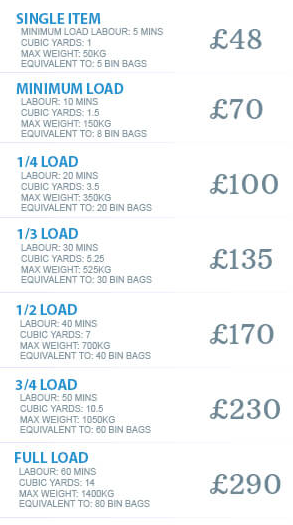
 Tipper Van - Rubbish Removal and Waste Collection Prices in Dulwich, SE21
 Luton Van - Rubbish Removal and Waste Collection Prices in Dulwich, SE21